Arab union Training

The Arab Union for Training (and Human Resource Development) is a professional Arab entity dedicated to developing human capital and enhancing its efficiency across various Arab countries.

Arab union Training - الاتحاد العربي للتدريب

آخر المواضيع

الأحد، 26 مارس 2023

مارس 26, 2023

Learn How CoinMarketCap Can Help You Maximize Your Crypto Investments


Learn How CoinMarketCap Can Help You Maximize Your Crypto Investments


What is CoinMarketCap?


CoinMarketCap is a website that provides essential information on cryptocurrencies and their markets. The website offers a comprehensive look at the state of the crypto market, giving investors the ability to see coin prices, trading volumes, market capitalization, and more. CoinMarketCap also provides various tools that can be used to analyze different aspects of the crypto-assets.


CoinMarketCap is a great resource for those looking to maximize their crypto investments. Users can get up-to-date information on the current prices of different cryptocurrencies, as well as historical data on price movements. This data allows investors to make informed decisions about when to buy and sell their coins. CoinMarketCap also offers different portfolio options for tracking investments, allowing investors to track their progress over time.


In addition to providing useful data and tracking capabilities, CoinMarketCap also offers a platform for crypto-related discussion. Forums, blogs, and other resources offer a space to discuss and exchange ideas with other crypto-investors. With these features, CoinMarketCap is a great tool for those looking to get the most out of their investments.


Overall, CoinMarketCap is a great resource for those looking to maximize their crypto investments. With in-depth analysis and tracking capabilities, investors can make informed decisions about their investments and get the most out of their investments. Whether you’re a beginner or an experienced investor, CoinMarketCap can help you make the most of your crypto investments.

https://new.7-bc.com/2023/03/learn-how-coinmarketcap-can-help-you.html

Does CoinMarketCap offer any tools for investors to use?


Yes! CoinMarketCap offers a variety of tools to help investors maximize their crypto investments. From tracking market trends to customizing your portfolio to stay updated on the latest news, there is a tool for every investor.


Market Trends: Investors can stay informed with the latest market trends and updates by using the Market tool or looking at a specific coin’s page. Market trends can be tracked on multiple time frames and can help investors recognize potential buying opportunities or when to sell.


Portfolio Tracking: Investors can track and manage their portfolio through CoinMarketCap’s portfolio tracking tool. This allows investors to access their portfolio data, track performance, and compare gains over time. It also features weekly email updates on your funds and portfolio.


News Updates: CoinMarketCap offers a news section that can be used to monitor and stay up-to-date with the latest crypto news. This can provide investors with insight into the latest trends and how they can affect their investments.


In addition to these tools, investors can also look up ratings for coins and tokens, price alerts, historical data and much more. Investing in cryptocurrency can be a daunting task but with the help of CoinMarketCap, investors can maximize their investments and stay ahead of the game.


What cryptocurrencies are listed on CoinMarketCap?


CoinMarketCap is an invaluable resource for cryptocurrency investors and enthusiasts alike, allowing users to easily track, compare and monitor the prices of different crypto assets. CoinMarketCap currently lists over 6,000 crypto assets and their respective markets, including Bitcoin, Ethereum, Litecoin, Ripple, and many more. CoinMarketCap collects data from over 200 exchanges, so that users can get the most accurate prices and market data available.


CoinMarketCap is an especially useful tool to help investors make informed decisions, as they can compare assets and get real-time updates on the market. Users can also find key information such as trading volume, circulating coin supply, market capitalization and more.


CoinMarketCap also offers a CryptoCompare calculator, which automatically calculates and compares asset prices from different exchanges, allowing users to identify the best price for a particular asset and make risk-free investments.


CoinMarketCap also offers an education portal to help new investors understand the basics of the cryptographic industry, as well as a variety of research tools for experienced investors.


Whether you are a beginner investor or a seasoned trader, CoinMarketCap provides an excellent platform for monitoring and researching cryptocurrencies. With its comprehensive data and range of valuable tools, CoinMarketCap can help you maximize your crypto investments.


Set Up Your Account
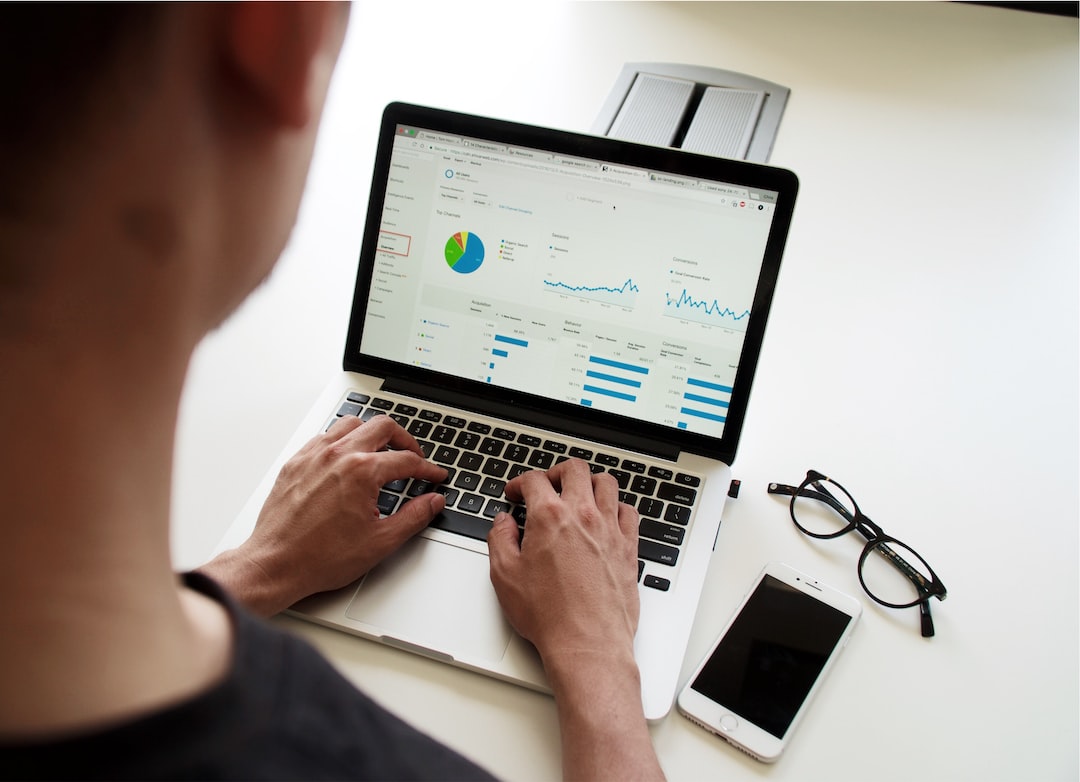


Creating an account on CoinMarketCap is simple, and will let you make the most of the features and opportunities the platform has to offer.


First, navigate to CoinMarketCap’s landing page, and click on “Sign Up” in the upper right corner. You’ll need to provide an email address and a password that is secure and memorable. You can then personalize your account, adding your full name, time zone, and currency, to help customize the platform for your specific needs.


Once your account is set up, you can explore the platform. You’ll be able to access useful resources like real-time coin price and market data, track your portfolio, and get news updates to stay in the know about all things crypto.


Happy investing!

الجمعة، 24 مارس 2023

مارس 24, 2023

Buy Bitcoin & cryptocurrency


Buy Bitcoin & cryptocurrency


Bitcoin ATMs


are a great way to buy and sell Bitcoin and other cryptocurrencies. These ATMs allow people to buy and sell Bitcoin in a secure and private way. Bitcoin ATMs are found in most major cities and some smaller towns. Many Bitcoin ATMs allow you to buy and sell other cryptocurrencies, such as Ethereum, Litecoin, and Ripple. The process of buying or selling Bitcoin is easy; you simply insert cash into the machine, enter the desired amount of Bitcoin, and the machine will give you the equivalent amount in Bitcoin or digital currency.


When buying Bitcoin from an ATM, it is important to make sure that the ATM is from a reputable source. Just like when dealing with any currency, you should always be aware of who you are dealing with and the potential risks involved in the transaction. Before engaging in any transaction, do your research to make sure that the Bitcoin ATM is legitimate, reliable, and secure.


Using a Bitcoin ATM is a great way to purchase Bitcoin in a secure and private manner. It’s important to remember that when using a Bitcoin ATM, you need to make sure that you are using a reputable source and doing your research before engaging in any transactions.


Buy Bitcoin


When buying Bitcoin, always remember to do your research first. To buy Bitcoin, you will need to create a digital wallet to store your Bitcoin. There are a variety of wallets to choose from, and you should always select one that best meets your needs. You can buy Bitcoin using a variety of payment methods, such as credit/debit cards, bank transfers, and even PayPal. Be aware that each payment method has its own fees and other considerations, so it’s important to do your research and select the one that works best for you. Once you have your wallet, you can find a reputable Bitcoin exchange to purchase your Bitcoin. Before selecting an exchange, make sure to review their fees, security measures, customer service, and other important factors.


When purchasing Bitcoin, always make sure to keep your Bitcoin secure by keeping it in your wallet, and never share your private keys or passwords with anyone. Additionally, be aware of the current Bitcoin regulation in your country and be mindful of the risks associated with trading cryptocurrencies. Finally, remember to always be mindful and do your own research before making any financial decisions.


Create an Account


The first step to buying Bitcoin and cryptocurrency is to create an account on a digital currency exchange. Digital currency exchanges provide platforms for users to purchase, sell, and store cryptocurrency. When choosing a digital currency exchange, make sure to research the security of the platform, confirm that the exchange is available in your country, and look into the fees associated with using the platform to buy and sell cryptocurrency. Once you’ve chosen a digital currency exchange, you’ll need to create an account. You will usually be required to provide personal information such as your name, email address, and phone number. Additionally, you may be asked to provide other documentation such as a picture of your passport or driver’s license. Once your account is verified and set up, you can begin buying, selling, and storing cryptocurrency.


Where to Buy Bitcoin


There are a variety of different ways that you can purchase Bitcoin, from exchanges and marketplaces to peer-to-peer platforms, and each has its own advantages and disadvantages. We'll take a look at 3 of the most popular options for buying Bitcoin below.


Exchanges

Bitcoin exchanges are online marketplaces where you can buy, sell and trade Bitcoin for other cryptocurrencies and fiat currencies. These exchanges usually connect buyers and sellers of Bitcoin together and charge a fee for transactions. A few of the most reputable exchanges are Coinbase, Binance, and Kraken. When buying Bitcoin through an exchange, it's important to consider the fees, security measures, and ease of use of the exchange before making a decision.


Marketplaces

Bitcoin marketplaces are online platforms that allow users to buy and sell Bitcoin in exchange for different payment methods such as debit or credit cards, bank transfer, and PayPal. Popular marketplaces include Paxful and LocalBitcoins. All marketplaces require users to register and verify their accounts before making a purchase, so be sure to read the terms of service of any marketplace before buying Bitcoin.


Peer-to-Peer Platforms

Peer-to-peer platforms are online platforms that facilitate direct person-to-person exchanges. The buyer and seller interact directly, eliminating the need for a third party or intermediary. Examples of popular peer-to-peer platforms include HodlHodl and Bisq. It's important to remember that when using a peer-to-peer platform, the buyer and seller are responsible for setting their own terms, including the payment method and fees.


No matter which option you choose, it's important to do your research and understand each option before making a purchase. Be sure to consider the fees, security measures, and ease of use before making a decision.

الأربعاء، 22 مارس 2023

مارس 22, 2023

Forex Trading - Tutorialspoint


Forex Trading - Tutorialspoint


How can I learn Forex trading?


Learning Forex trading can seem like a daunting task, especially if you are new to investing and don’t have a lot of experience. Fortunately, however, there are plenty of resources available to help get you started. Before you begin trading, it’s important to understand the basics of currency trading, such as what currencies are being exchanged, how they are priced, and how to calculate profits and losses.


One of the best ways to learn Forex trading is to sign up for an online tutorial or course. Tutorials and courses can provide you with step-by-step guidance on how to become an effective Forex trader. You’ll learn about the different types of currency trading, how to read and interpret charts, and how to develop a trading strategy. These courses can also help you to develop the discipline and risk management skills you’ll need to become a successful trader.


Reading literature on trading Forex can also be extremely beneficial. Books, magazines, and other printed materials can provide a wealth of information on the topic and can help you understand the market dynamics. You can also find plenty of online resources, such as online forums, articles, and videos that can give you a better understanding of the market.


Finally, it’s important to practice your trading skills with a demo account. With a demo account, you can try out different strategies to see what works best in different market conditions. You’ll be able to test your strategies and become comfortable with the trading platform before you start trading with real money.


Overall, learning Forex trading can be an overwhelming process, but with the right resources and guidance, you can become a successful currency trader. By taking the time to understand the basics of the market and developing good trading strategies, you can become an expert in the field.


Forward Market

When trading in the Forex market, you may come across the term 'Forward Market'. This refers to a type of foreign currency contract that specifies the terms of an exchange between two parties at a future date. This type of contract is useful for those who wish to hedge their risks against currency fluctuations. Typically, the exchange rate is set on the day of the contract and the transaction occurs at the future date.


Forward Markets can be used for all major currencies and are highly liquid. The main benefit of this type of contract is that it provides an opportunity to secure a rate now, rather than at the time of the actual exchange. The futures market also allows you to take advantage of price changes in the forex markets.


Forward Markets are considered to be a more sophisticated form of trading and require a greater understanding of the foreign exchange market and its complex dynamics. It is important to have a good understanding and knowledge of the currencies in order to successfully manage this type of contract.


How does Forex Trading work?


Forex trading is a global decentralized or over-the-counter (OTC) market for the trading of currencies. This market determines foreign exchange rates for every currency, and it is the largest and most liquid market in the world. In Forex trading, there is no physical exchange of currencies while trading. Instead, currencies are traded electronically over-the-counter (OTC) between two willing participants, which can be individuals, corporates, or institutional investors.


A Forex trade, also known as a Foreign Exchange or FX trade, involves the sale and purchase of currency pairs. A standard lot size in Forex is 100,000 units of a currency. To open a position in Forex, an investor has to deposit a margin, a percentage of the full value of the position. Forex trading works by the process of speculation, whereby a trader speculates on the price movements of the selected currency pairs.


The Forex market is open 24 hours a day, 5 days a week, providing global access to investors. An investor can make money in Forex by buying and selling a currency pair for a profit. For example, if an investor buys the EUR/USD currency pair at a lower rate, they can sell it at a higher rate and make a profit. On the other hand, an investor can lose money if the currency pair is sold at a rate lower than its purchase price.


To become a successful Forex trader, an investor has to have a good understanding of trading strategies, technical and fundamental analysis of the market, and money management. Being able to apply these skills also requires extensive practice and experience.


The Forex market provides great liquidity and low transaction costs, which makes it highly attractive to traders and investors. Despite its high potential for profits, it is necessary for investors to understand the risks associated with Forex trading. Both the potential for profits and potential for lossesare high in the Forex markets, and investors should trade carefully with proper money management.


Risks Involved with Forex Trading


The foreign exchange market is highly volatile and carries a high level of risk. There is a possibility of losing some or all of your invested capital, so you should only invest what you can afford to lose. Before trading in the forex markets, it is important to understand the risks involved.


Leverage

The forex market is known for its high leverage. This means you can trade with a much larger sum of money than what’s in your account. While this can amplify your profits, it can also amplify your losses and can quickly result in substantial losses.


Volatility

The forex markets are highly volatile and can move quickly. This can result in substantial losses if you’re not careful. While this can be beneficial for some traders, it’s important to know the risks and be able to manage them.


Overnight Positions

As the forex markets are open 24 hours a day, you can keep a position open overnight. This can be both beneficial and risky as it can result in a loss or gain depending on the market conditions.


Counterparty Risk

The counterparty risk is the risk of your counterparty not meeting its obligations. This may mean the broker doesn’t pay out a profit, or is slow to pay out your profits. It’s important to do your research and make sure your broker is reliable before trading.


High Spreads

Forex brokers often charge high spreads which can reduce your profits. It’s important to compare brokers before choosing one and make sure they offer competitive spreads.


These risks should all be taken into account when trading forex. While the forex markets offer high potential rewards, they also carry a high level of risk. It’s important to understand the risks and be prepared to manage them.


الأحد، 19 مارس 2023

مارس 19, 2023

Get Started On Your Trading Journey With Registration


Get Started On Your Trading Journey With Registration


What is the process for registering to trade?

Registering to trade can seem like a daunting task, but once you have the right information, it can be a straightforward process. The first step is to familiarize yourself with the different types of trading that are available to you. Depending on what you are looking to invest in, you may choose from stocks, commodities, options, futures, or currencies. Once you know what you want to trade in, you can start to look into the different brokers and exchanges that offer these services.

The next step is to complete a registration form, which will vary depending on the broker or exchange you are using. This form should include your personal details, such as your name, address, and contact information. You may also have to complete a questionnaire to determine your knowledge and experience with trading, and to assess your risk tolerance. Depending on which exchange or broker you are using, you may also be asked to provide copies of identity documents, such as your driver’s license, passport, or birth certificate.

Once you have completed the registration form and submitted the required documents, the broker or exchange will review the information you provided. If you are approved, the broker or exchange will provide you with an agreement outlining the terms and conditions of their services. You should make sure you read through the agreement carefully before accepting it.

Once your registration has been accepted, you will need to fund your account with a deposit or a transfer of funds. Again, this will depend on the broker or exchange you are using. You may be able to fund your account using a bank transfer or by using a credit/debit card. Once the funds have cleared, you will be ready to start trading.

In conclusion, registering to trade may seem overwhelming at first, but having the right information can make it a relatively smooth process. Remember to assess your risk tolerance, read through the agreement carefully, and make sure you fund your account with a secure payment method before starting to trade. With the right preparation, you can get your trading account up and running in no time.

Open an Account

One of the first steps in your trading journey is to open an account with a trading broker. This will give you access to a platform where you can buy and sell stocks, bonds, and other investments. Before you start trading, you should familiarize yourself with the broker’s terms and conditions, so that you understand the costs and fees associated with trading. It's also important to research various brokers, to find one that meets your individual needs and goals. Finally, once you’ve chosen the broker you’d like to work with, you can go ahead and open your account. The process is usually fast and straightforward, and you’ll be able to begin trading in no time.

Getting Started with Trading

Trading is a great way to learn about the financial markets and to get involved with investing your money. If you're interested in getting started, the first step is to register as a trader. Registration enables you to access and utilize trading platforms and tools to make informed decisions when trading. To get going on your trading journey, here is a step-by-step guide:

1. Choose a reputable online broker. Before registering, you should do some research on the different brokers. Make sure they have a good reputation, provide excellent customer service, offer competitive fees and provide the kinds of resources and trading tools you need.

2. Complete the registration process. Most online brokers provide an online registration system for you to complete in order to become an approved trader. You will need to provide personal information such as your name, address, and contact details, as well as valid documentation such as a government-issued ID, or a passport/driver's license.

3. Set up a trading account. Once your registration process is complete, you will need to set up a trading account with your broker. You will need to provide details about the type of account you would like to open, your funding source and other account-related information.

4. Learn the basics. Before you start trading, it is important to understand the basics of the stock markets and trading platforms. Make sure you have read through the terms and conditions of your broker and the trading platform, and familiarize yourself with the mechanics of trading.

5. Start trading. After you have the basics in place, you are now ready to start trading. Be sure to take your time and choose your trades wisely, making sure that your trades align with your overall financial goals.

By taking the right steps to register as a trader, you can get started on your trading journey with confidence. It is important to remember to be patient while learning the basics and to never invest more than you can afford to lose.

What are the risks associated with registering and trading?

Before embarking on your trading journey, it’s important to be aware of the risks associated with registering and trading. While trading can potentially be very profitable, it also carries a significant amount of risk.

The first risk to consider is financial risk. Trading involves the potential to lose money, which is why it’s important to fully understand and be prepared for the risks associated with trading. To reduce the amount of financial risk you face, it’s essential to have a trading plan in place and have a good grasp of the market.

You should also be aware of the potential for market manipulation. In a competitive market, traders may use strategies to try and influence the price of a security. This can lead to volatility in the market, which could result in significant losses for those who are unprepared. It’s important to understand the techniques used by traders to manipulate the market and be prepared to adjust your strategies accordingly.

Another consideration is the risk of fraud. As with any financial transaction, there is a risk of fraud with trading. It’s important to ensure that you are only dealing with reputable brokers and institutions when trading and that you are not being taken advantage of.

Finally, the risk of trading interfering with your personal life is something to consider. It’s important to remember that trading should be done in moderation and with discipline. Making sure that you have enough time away from trading to enjoy yourself and relax is essential for a successful trading journey.

Overall, trading carries many risks and it’s important to be aware of them before you get started. By doing your research and having a good understanding of the market, you can reduce your financial risk and ensure that trading is a successful and enjoyable experience.


مارس 19, 2023

Exploring The Potential Of Bitcoin


Exploring The Potential Of Bitcoin


What is Bitcoin?


Bitcoin is a digital currency, powered by a decentralized, peer-to-peer network, which uses a distributed ledger to record and verify transaction of the currency, known as the blockchain. Bitcoin was the first of its kind, with each unit of the currency having its own unique identity, and it is controlled, tracked, and transferred through a digital network. Bitcoin is based on a decentralized ledger, meaning that no single person or group controls or issues the currency. Instead, transactions are recorded and verified by a network of computers all over the world, and each transaction is publicly visible on the blockchain.


Bitcoin provides a unique way for individuals to transfer payments and value in a secure, fast, and transparent manner. There are no chargebacks or third-party fees that come with using Bitcoin and all transactions are visible on the blockchain. Bitcoin transactions are fast and irreversible, meaning that once the transaction is broadcast on the network, it cannot be reversed. This makes Bitcoin an ideal choice for users looking for quick and reliable payments with no chargebacks.


Unlike regular currencies, Bitcoin is not backed or regulated by any government or central bank. This means that it is not subject to government control or manipulation, and the price of Bitcoin is solely determined by the law of supply and demand. As there is a limited number of Bitcoin in circulation, the price of Bitcoin can increase significantly over time depending on demand.


The potential of Bitcoin is vast, and while it is still in its early stages, the cryptocurrency is gaining acceptance as an alternative currency, both in the local and global markets. Bitcoin has the potential to revolutionize the way people make payments, transfer value, and interact with one another. With its decentralized, secure, and fast transactions, Bitcoin could offer a new world of possibility in the near future.


Transactions


when using Bitcoin are secure and cost-effective. Transactions using Bitcoin are much faster than those using other traditional payment systems. Transactions are made using the peer-to-peer network, which eliminates the need for a middleman and results in no transaction fees. Transactions are both secure and private as all exchanged information is encrypted and stored on a public ledger, the blockchain. Bitcoin transactions are irreversible and no personal information is required to be shared during the transaction, which offers an added layer of security. The potential of Bitcoin transactions is limitless and is a promising step forward in global payments.


Security


is an important factor to consider when exploring the potential of Bitcoin. Bitcoin is decentralized, meaning users control their own funds and no third party is required for transactions. As a result, users can have peace of mind knowing their funds are secure and safe. In addition, Bitcoin is stored on the blockchain, a public ledger that records every transaction ever made, ensuring that all Bitcoin transfers are secure and irreversible. To further ensure the safety of your funds, it is recommended to use a secure wallet when storing your Bitcoin and to always keep your private key safe.


What is Bitcoin and how does it work?


Bitcoin is the world’s first decentralized digital currency. Bitcoin, commonly referred to as either a cryptocurrency or a virtual currency, is an innovative form of money that runs on a distributed and secure public ledger known as the blockchain. Instead of being created by a government or central bank, Bitcoin is created by a network of computers that run a special type of computer code. All these computers, or ‘nodes’, compete with each other to solve complex math problems to create “Bitcoin blocks”. When a node solves a math problem, the Bitcoin created is shared among all the nodes that worked on it.


Bitcoin’s peer-to-peer network allows individuals to transfer Bitcoin to one another without the need for a trusted third party such as a financial institution. Because of this, Bitcoin transactions are fast, secure and cost-effective for both the sender and receiver.


Bitcoin also has the potential to provide users with more control and autonomy over their finances. With cryptographically secure transactions, no one can interfere with a person’s Bitcoin wallet or alter the amount of Bitcoin that someone owns. Additionally, because a person’s identity is not attached to a Bitcoin address, people can remain anonymous while making and receiving payments, providing another layer of privacy.


By providing a decentralized, trustless, and secure payment method, Bitcoin has the potential to revolutionize the way people make payments around the world. With its fast transaction times, low transaction costs, and enhanced privacy, the possibilities for Bitcoin are endless. As the cryptocurrency continues to grow, more individuals and businesses are looking to explore the potential of Bitcoin and take advantage of its many benefits.


مارس 19, 2023

Strategies For Trading In The Global Forex Market


Strategies For Trading In The Global Forex Market


Benefits of Forex Trading

Forex trading is a popular way to make money in the global financial markets. It can be used by both seasoned traders and novice investors alike. There are several key benefits to trading forex that make it appealing to many investors.

First, forex trading is highly liquid. This means that trades can be executed quickly, and investors can easily move in and out of forex positions. This is important to traders as it allows them to capitalize on short-term opportunities in the market.

Second, forex markets are open 24 hours a day, five days a week. This allows traders to access the markets at any time, which is beneficial for those looking to capitalize on global news and events. It is also a great way for those who have day jobs to trade during their off-hours.

Third, forex trading is relatively low cost. There are no commissions or hidden fees, so you can achieve high returns on even small investments. This is attractive to both seasoned and new traders, as it allows them to spread their risk more evenly.

Fourth, forex trading can be done from anywhere in the world. You don’t need to be located in a major financial center to trade in the forex markets. All you need is a computer and an internet connection.

Finally, forex trading is highly flexible. You can trade in any currency pair, any volume, and any time frame. This makes it easy to customize a trading strategy to meet your individual needs and goals.

These benefits make forex trading an attractive option for those looking to make money in the global financial markets. It is also a great way for novice investors to learn the ropes and gain experience in the markets.

Forex Market Hours

One of the most important strategies to consider when trading in the global Forex market is understanding the market hours. The Forex market is open 24 hours a day, 5 days a week and has three major sessions - Asian, European and North American. Each session has its own distinct characteristics and potential trading strategies.

The Asian session starts at 12 am CET (9 pm ET) and runs until 8 am CET (5 am ET). During this session, the Yen is usually the most active and liquid currency which makes this an ideal time to trade Japanese Yen and other Asian currencies.

The European session takes place from 9 am CET (6 am ET) to 4 pm CET (1 pm ET). This is usually the busiest session and the most liquid, given that Europe is the biggest economic region in the world. This session is heavily dominated by currency pairs that include the EUR, GBP and CHF.

Finally, the North American session starts at 4 pm CET (1 pm ET) and runs until 12 am CET (9 pm ET). This session is dominated by US Dollar and its related currency pairs.

Understanding the Forex market hours can help traders plan their trading strategies accordingly. Knowing when the most liquid sessions are, and which currencies are most active during these sessions, can help traders make informed decisions when it comes to their trading strategy.

Trendlines

Trendlines can be a valuable tool for Forex traders when used correctly. They are a simple graphical representation of a chart's price action that can help to identify the direction and strength of a trend. To use trendlines in the Forex market, traders need to identify a chart pattern, such as a rising trend or a series of higher highs and higher lows. They then draw a line connecting the high points or the low points to set the trend. By tracking the trendlines, traders can use them to identify when to buy and sell. Additionally, traders may also use trendlines to determine breakouts or when the trend has reversed. Trading with trendlines can be a powerful strategy, but it is important to note that all trading strategies come with risk. It is always a good idea to practice trading with a demo trading account before committing any capital.

Moving Averages

Moving averages are a popular indicator used in forex trading and can be a useful tool for traders. Moving averages provide information on an average price over a certain period of time, which can help to identify trends and make more informed trading decisions. For example, a short-term moving average may identify short-term trends, while a long-term moving average may identify long-term trends. Traders can also use moving averages to recognize areas of support and resistance. Moving averages are often used with other indicators to confirm a trade, including signals from other technical analysis systems. When used in combination with other indicators, they can provide a trader with a powerful tool to identify entry and exit points.

السبت، 18 مارس 2023

مارس 18, 2023

Navigating The World Of Forex Trading


Navigating The World Of Forex Trading

What Is Forex Trading

Forex Trading, also known as Foreign Exchange Trading, is a type of investment that involves the buying and selling of currencies. It is one of the largest markets in the world, with an estimated daily turnover of around 5 trillion U.S. dollars. It is also one of the most liquid markets in the world, with high liquidity and low transaction costs, making it an attractive option for investors.

Forex Trading involves exchanging one currency for another in order to generate a profit. The currencies are bought and sold in pairs, with one currency being the base currency and the other being the quote currency. For example, the EUR/USD currency pair consists of the Euro (EUR) as the base currency and the US Dollar (USD) as the quote currency. When trading Forex, traders will attempt to profit from price movements in either direction.

Traders typically use technical analysis tools, such as fundamental analysis, to help them make educated trading decisions. They may also use technical indicators such as moving averages, MACD, or RSI to analyze price movements, or apply strategies such as scalping or hedging to increase the likelihood of successful trades.

Forex Trading offers a number of advantages, including access to high liquidity and low transaction costs. It also offers great potential for profit, as the market moves fast and with high volatility. However, Forex Trading also carries risks, including the potential for losses and market manipulation. Therefore, it is important for potential traders to learn the basics of the market and understand the risks before entering the world of Forex Trading.

Swing Trading

Swing trading is a type of Forex trading that can be very profitable if done correctly. Using this method, traders look to capitalize on short-term market fluctuations, rather than long-term trends. This can be a great option if you want to be involved in the markets but don’t have a lot of time to devote to it. Swing traders enter and exit positions at predetermined points in the market and typically hold them for a few days to a week.

It is important to carefully plan each trade, as well as research the potential entry and exit points in each market. Having a solid plan for each trade is key to successful swing trading. Swing traders must also be attune to potential risks, such as sudden changes in the market and should use technical indicators to identify entry and exit points.

Those who are new to trading should consider speaking with an experienced professional and do research to understand the basics of swing trading before entering the markets. Furthermore, it is recommended to start with a small trading capital and work up as you become more knowledgeable and gain more experience.

Basic Forex Strategies

Navigating the world of Forex trading can seem like a daunting task for beginners and experienced traders alike. To make the journey easier, it is important to understand the basics and educate yourself on the different strategies that you can use.

One of the most important aspects of Forex trading is understanding how different currencies work and which currencies pair together. Knowing this information can help you strategize the best moves for making profitable trades. Once you understand this, it is important to familiarize yourself with different trading strategies.

One of the most tried and true strategies is the long-term buy and hold approach. This strategy entails buying a currency and holding onto it for a longer period of time before selling. This strategy has many advantages, such as reducing risk and allowing traders to take advantage of long-term trends in the market.

Another popular strategy is day trading. This strategy involves opening and closing trades within the same day. Day trading can be more risky than a more conservative strategy, as it requires quick decision-making and a clear understanding of the markets. However, it also can be very profitable with its high-risk-high-reward mentality.

The Martingale system is another strategy that is generally used in Forex trading. This system involves doubling down on a losing position in order to protect against losses. This system can be helpful in maintaining a consistent trading pattern and reducing overall losses.

Finally, one of the most important strategies is to use proper money management. This means understanding the amount of money that is available and managing it wisely. By not investing too much money in any one particular trade, you can limit your losses while still potentially making profits.

These are just a few of the basic Forex strategies that can help you become a successful trader. It is important to keep learning, stay updated on market movements, and make informed decisions. With the right knowledge and strategies, anyone can become a successful Forex trader.

Trend Trading

Trend trading is one of the most popular strategies used in forex trading. This strategy attempts to capitalize on long-term trends in currency prices. It involves placing trades on the direction of the trend with the aim of making profits when the currency pair moves in the anticipated direction.

Trend traders often use technical indicators to identify trading opportunities. Commonly used indicators include moving averages, RSI, and MACD. With these indicators, traders can identify potential entry and exit points. As with any trading strategy, it is important to consider risk management and money management when trend trading.

In conclusion, trend trading can be a profitable strategy in forex trading. However, it is important to fully understand the strategy and familiarize yourself with technical indicators in order to successfully implement it.

Carry Trading

Carry trading is a popular forex trading strategy, particularly for those with a longer-term outlook. The concept of carry trading involves identifying currency pairs with a positive carry, and taking advantage of this interest rate differential. To carry trade effectively you need to identify currency pairs where the cost of borrowing the base currency is lower than the yield of the quote currency. For example, if the interest rate of the Japanese yen is 0.50%, and the interest rate of the US dollar is 2.50%, then a currency pair with USD and JPY could be used to earn an additional 2%.

It’s important to note that carry trading is a longer-term strategy and the potential rewards should be weighed against the risk of the trade. Additionally, it's wise to consider the potential volatility and possible capital losses that could occur if the market moves against your position. Carry trading strategies can be quite complex, so it's important to gain an understanding of the market and the potential risks before attempting this strategy on your own.

Getting Started

With Forex Trading

Forex trading can be an intimidating prospect for those just starting out. After all, understanding the different currencies as well as their differences is no small task. However, with the right resources and knowledge, forex trading can be incredibly rewarding. Below, we’ll discuss the basics of getting started with forex trading and how to get successful results.

The first consideration for forex trading is to understand the risk involved. Trading with leverage in the forex market means that there is a high potential for great rewards as well as great losses. It's important to understand the risks involved before committing to any kind of trading.

Once you’ve determined that you’re comfortable with the risk associated with forex trading, the next step is to choose a trading platform. Online brokers and platforms provide access to the foreign exchange market and make it possible to trade the different currencies. The most important factor to consider is the platform’s security, as you want to make sure your trades are secure.

The third step is to research the different currencies and understanding their relative values. This can be done through technical analysis, which involves studying the different currency pairs and predicting their future movements. This requires understanding the basic economics, politics, and other factors that affect currencies.

Finally, it's time to start trading! There are several ways to begin trading in the forex market. You can open a demo account, which is a great way to learn the basics without risking any real money. You can then practice with a live account and make real trades, but it's important to remember to keep the trading amounts small.

These basics will get you started with forex trading, but the only way to become a successful trader is through practice and experience. As with any kind of investment, it’s important to understand the risk and take the time to practice and master the art of trading. With the right tools and knowledge, forex trading can be highly rewarding.

مارس 18, 2023

Exploring the World of Artificial Intelligence


Exploring the World of Artificial Intelligence

History of AI

The concept of Artificial Intelligence (AI) has been around since ancient times, with early examples of AI-like devices being found as far back as 350 BC. In recent decades, however, AI technology has made astonishing leaps in development and advancement. The first modern AI programs were developed in the 1950s and the field of AI has continued to expand, with advances in machine learning, natural language processing, and robotics becoming commonplace. AI is now used in many different industries and applications, from medical research to autonomous vehicles. AI technology is becoming increasingly sophisticated, with applications now seen in finance, industry, and even the home. AI has come a long way in a relatively short space of time and is sure to continue to evolve and develop in the near future.

What is artificial intelligence?

Artificial intelligence (AI) is a branch of computer science that aims to create intelligent machines that are able to think, learn, and make decisions. These machines are designed to imitate human behavior by using complex algorithms, allowing them to take in vast amounts of data and make decisions based on that data. AI is used for a variety of purposes, including facial recognition, navigation, speech recognition, and language translation.

In its simplest form, AI is an automated system that can be programmed to do certain tasks in an efficient and intelligent manner. It is an interdisciplinary science, which combines elements from computer science, mathematics, linguistics, neuroscience, engineering, and psychology. AI techniques are used to design and develop computer-based systems that can process information and make decisions without requiring explicit instruction from humans.

AI is used for a wide range of applications, from online shopping to robotics, and has become increasingly integrated into our everyday lives. AI systems are used in medical diagnosis and to support decision-making in a variety of industries, such as finance and business. AI is also being used to improve the efficiency and accuracy of security systems, and to create autonomous vehicles.

In recent years, AI has been used in a variety of research fields, including natural language processing, computer vision, and robotics. AI has the potential to revolutionize many sectors of the economy, from healthcare to transportation. As the technology continues to evolve, AI is becoming increasingly capable of carrying out tasks that would have previously seemed impossible.

AI is an incredibly exciting and rapidly advancing field, and it is important for us to understand the implications for our lives as technology continues to develop.

Data Analysis Automation

Data analysis automation is one of the most promising applications of artificial intelligence (AI). AI-driven data analysis has the potential to revolutionize many industries, from finance to healthcare. AI can be used to quickly analyze large sets of data and provide more accurate insights than traditional methods. This could save businesses money and help them make more informed decisions. AI can also help identify patterns and anomalies in data that would otherwise be difficult for humans to detect. AI data analysis techniques include natural language processing (NLP), machine learning (ML), and deep learning (DL). AI-driven data analysis has already shown promise in a variety of applications, such as fraud detection, customer analytics, predictive maintenance, and personalized medicine. As AI continues to develop, the capabilities of data analysis automation will only become more powerful.

Privacy Issues

As we explore the world of Artificial Intelligence, it is important to consider the potential privacy issues that can arise. This is especially true as AI technology becomes more sophisticated and is used in a variety of applications such as healthcare and facial recognition. While AI can be used to improve our lives, it can also inadvertently reveal sensitive personal information. To mitigate this risk, it is important for organizations to be aware of their responsibility to protect the privacy of their customers. Companies should ensure that any personal data collected is secured and not shared without the express permission of the individual. Additionally, AI tools should be designed and implemented with privacy in mind; they should operate in such a way that any potential privacy breaches are minimized or eliminated. By being aware of these important privacy issues and taking the necessary steps to protect people's data, organizations can help ensure that AI is used responsibly and safely.

First AI Programs

The first modern artificial intelligence programs can be traced back to the 1950s, when computer science pioneers in the US and the UK began developing algorithms that allowed machines to recognize objects, draw logical conclusions and solve problems. These early programs used a variety of methods to analyze data, such as decision trees, rules-based systems and search algorithms. With each successive program, more complex AI abilities were created and refined, leading to the development of "expert systems" in the 1980s. These systems were able to draw on vast collections of facts and perform specific tasks, such as diagnosing diseases with a high degree of accuracy. In the decades since, AI applications have become increasingly prominent in a range of industries, from healthcare and automotive to finance and logistics.

History of Artificial Intelligence

The concept of Artificial Intelligence (AI) has been around for centuries, but it has only been in recent decades that the technology has advanced to the point it is today. AI is a broad term that refers to the ability of machines to perform tasks that are typically associated with human intelligence, such as problem solving, decision making, natural language processing, and learning.

In the 1940s, mathematicians Warren McCullough and Walter Pitts developed the first neural network model for AI. This was followed by the development of the first AI language by John McCarthy in the 1950s. Over the next two decades, a number of other advancements in AI research were made, including the development of AI search algorithms, expert systems, and genetic algorithms.

By the late 1990s, AI technologies had developed significantly and were being applied to a wide range of applications, ranging from robotics and automation, to medical diagnosis and financial services. AI is now used in virtually every industry, from banking and finance to retail and manufacturing.

In the 2000s, AI continued to improve, with the development of deep learning algorithms and natural language processing, which are used to power intelligent applications such as facial recognition, voice recognition, and robotics. This marked a major development in the field of machine learning, paving the way for more advanced AI applications.

Today, AI is driving a multitude of applications, from autonomous vehicles, to home automation, to natural language processing and machine learning. As researchers continue to make advancements in the field of AI, the possibilities for applications continue to grow. From simplifying mundane tasks, to helping people make complex decisions, AI has the potential to revolutionize the way humans interact with technology.


الجمعة، 17 مارس 2023

مارس 17, 2023

Navigating The Crypto Investment Journey

Navigating The Crypto Investment Journey

What is Crypto Investing?


Cryptocurrency, or crypto, investing is the act of investing in digital assets, such as Bitcoin, Ethereum or Litecoin. These digital assets are created and stored on a blockchain, and they can be used as a form of payment or investment. Crypto investing allows investors to purchase and trade digital assets, either as a means of reducing their risk in the traditional stock markets or as a way to gain capital appreciation.

Crypto investing has become increasingly popular over the past few years as it offers investors a way to diversify their portfolios and increase their exposure to potentially lucrative investments. Crypto investing also has the potential to significantly reduce the cost of financial transactions, which can be very attractive for investors.

When investing in crypto, investors should understand the different types of crypto investments available. There are several types of investments, including buying and holding, mining, staking, and trading.

Buying and holding is when an investor purchases a certain amount of coins and holds them for a long period of time. This strategy is often used for long-term capital appreciation and can provide investors with a steady income.

Mining is the process of creating new digital currency. Miners are rewarded with a portion of the new currency they create. They are also rewarded with transaction fees from the transactions they process.

Staking is a way to increase the return on investment by lending coins to other users and receiving a portion of their rewards. This is similar to a bank deposit, where investors deposit money and earn interest over time.

Finally, trading involves buying and selling digital currencies on an exchange. This allows investors to take advantage of price fluctuations and potentially make a profit.

Crypto investing can be a great way to diversify a portfolio and potentially earn significant returns. Before investing, it’s important to do research and understand the risks associated with the different types of investments. Additionally, investors should ensure they have the proper security protocols in place to protect their investments.

Creating a Cryptocurrency Wallet

is a critical step in your journey of investing in cryptocurrency. A cryptocurrency wallet is essentially a software program that holds the public and private keys associated with your cryptocurrency. These keys are essentially a password that grants you access to your cryptocurrency and provides you with the ability to send and receive payments.

When creating a cryptocurrency wallet, you must make sure to choose one that is secure and reliable. The two main types of cryptocurrency wallets are hot wallets and cold wallets. Hot wallets are wallets that are connected to the Internet, while cold wallets are wallets that are not connected to the Internet. Hot wallets are the more convenient option but are less secure, whereas cold wallets offer more security but require more caution.

No matter what type of wallet you end up choosing, it is important to practice good security hygiene by creating a unique password and backing up your wallet, so that if your wallet is ever lost or stolen, you can still access your cryptocurrency. Once you have created your wallet, you are now ready to start investing in cryptocurrency!

Cryptocurrency Exchanges

are platforms that allow the buying and selling of digital assets. They facilitate the conversion of fiat money (traditional, government-backed currencies) into digital currencies and vice versa. They also offer a variety of features to help users manage their cryptocurrency portfolios, including orderbook, chart, and order execution capabilities. Using an exchange, investors can access a variety of different digital tokens, including Bitcoin, Ethereum, Litecoin, and hundreds of others. Exchanges often set their own fees, so it is worth researching different options before choosing an exchange to use. It is also important to note that security is paramount when selecting an exchange – always conduct due diligence and check for any reports of past hacks or other security issues before transferring funds.


Getting Started

The crypto investment journey can seem intimidating at first, but with the right preparation and knowledge, it can be an exciting and rewarding experience. In order to get started, it’s important to understand the basics of cryptocurrency and the different types of investments available.

Cryptocurrency is a digital currency that exists in the form of a decentralized, distributed ledger system. This system is powered by a technology called blockchain, which stores and updates records in real-time across a global network of computers. Cryptocurrency is different from traditional fiat currency as it has no physical form, cannot be printed and is largely unregulated.

The types of crypto investments available to investors will depend on their risk tolerance and preference. Some of the most popular options include buying and holding, day trading, and initial coin offerings (ICOs).

Buying and holding cryptocurrencies is a common and generally low-risk option for those new to the crypto market. Generally, investors will buy and “hodl” (“hold on for dear life”) their coins over a period of time, hoping that the market will return a profit.

Day trading involves buying and selling coins over a single day in an attempt to make a profit. This can be a higher risk strategy, as cryptocurrency prices are generally very volatile, so it’s important to have a strong understanding of when to buy and sell before taking this approach.

Initial coin offerings, or ICOs, are a way of raising funds by selling new tokens to the market. Within an ICO, investors can purchase coins at a discounted rate, giving them the opportunity to make a profit when a token is listed and begins to trade.

No matter which approach you decide to take, it’s important to remember to always diversify your portfolio and do your due diligence to ensure you’re making the best investment decisions possible.

Active Trading

, a subsection of the crypto investment journey, involves the frequent buying and selling of different cryptocurrencies with the goal of profiting from the resulting price changes. Active traders seek to take advantage of short-term market movements by monitoring the prices of different coins, actively executing trades and adjusting their positions. This type of trading requires constant attention and effort, as well as the right resources and tools to be successful.

If active trading is the path you are considering for your crypto investment journey, make sure you have a comprehensive understanding of the market before you initiate any trades. Do your research, create a reliable trading strategy, and be aware of the taxes and fees associated with active trading. Most importantly, only invest money that you’re willing to lose and manage your risk by diversifying your investments across a variety of different coins.

Creating a Crypto Portfolio

Investing in cryptocurrency is a great way to diversify and increase returns on your investments. But with so many different types of cryptocurrency, it can be difficult to know which ones to invest in and how best to allocate your money. This guide will help you create a portfolio of cryptocurrencies that give you the best chance of success.

Before you start investing, it’s important to understand the different types of cryptocurrencies available. You should consider factors such as the technology behind the cryptocurrency, the current and potential future value, and the team supporting it. Familiarize yourself with the different types of blockchain technology, research the projects and teams behind the assets, assess a currency’s potential uses, and familiarize yourself with its circulating supply.

Once you’ve done your research and know which cryptocurrencies you want to invest in, the next step is to decide how to allocate your funds. Depending on the amount of risk you are willing to take, you can choose to invest in different types of assets. If you’re a more conservative investor, you can opt for more stable cryptocurrencies such as Bitcoin or Ethereum. If you’re looking for more aggressive investments, you can invest in more volatile cryptocurrencies with higher potential returns.

It’s also important to spread your investments across different cryptos to create a diversified portfolio. Doing this will help mitigate risk and ensure that you are not overly exposed to any single cryptocurrency. You should also consider investing in a hardware wallet to securely store your coins and tokens.

By understanding the different types of cryptocurrencies and selecting the right ones to invest in, you can create a crypto portfolio that gives you the best chance of success. Make sure you research each asset thoroughly and decide which ones are right for you. Finally, store your cryptocurrencies securely and spread your investments to minimize the risk of any single asset. With the right knowledge and a solid crypto portfolio, you can get the most from your investments.


الخميس، 16 مارس 2023

مارس 16, 2023

Forex Factory - Exploring the Global Forex Market


Forex Factory - Exploring the Global Forex Market


History


Forex Factory has been a reliable and relevant source of information for traders all over the world since 2004. It emerged as a response to the lack of reliable resources available at a time when the forex market was becoming increasingly popular and accessible to everyone, not just large banks and financial institutions. It was created with the intent of providing traders with a single point of access to all their trading tools, data, and knowledge. The website offers in-depth educational materials, market news and analysis, and other resources that enable users to make well-informed trading decisions. Today, Forex Factory is used by thousands of traders around the world and has become an integral part of the global forex market.


What is Forex Factory?


Forex Factory is a website that offers users the opportunity to explore the global foreign exchange (forex) market. It provides a range of features and tools designed to help users gain insight into the world of forex trading. As a free resource, Forex Factory provides access to news, data and analysis from around the world on the major currency pairs and commodities. Additionally, it provides an online forum for traders to discuss strategies and share trading ideas.


Forex Factory has become a popular destination for new and experienced traders alike since its launch in 2004. It offers an intuitive and user-friendly interface that makes it easy to find the information and resources traders need. The site organizes its content into a variety of categories, including market news and analysis, as well as a variety of tools and indicators. These can be used to develop trading strategies and improve your understanding of the forex market and its drivers.


Forex Factory also offers users access to its range of educational resources. These include an extensive library of articles and tutorials that cover the basics of forex trading, as well as more advanced topics such as technical analysis and risk management. Additionally, the site hosts regular webinars and seminars to help traders stay up to date.


Overall, Forex Factory is an invaluable resource for traders looking to learn more about the global forex market. With its wide range of features and resources, it is an essential platform for any aspiring or experienced trader.


How is Forex Factory different from other financial websites?


At Forex Factory, we strive to provide our users with an unparalleled insight into the global currency markets. Unlike many other financial websites, Forex Factory has been designed from the ground up as a one-stop shop for traders of all levels, from beginner to professional.


For starters, Forex Factory offers a comprehensive set of tools, including news aggregators, calendar widgets, trading calculators, and more. These tools are designed to make navigating and trading the forex market easier and more efficient.


In addition, Forex Factory’s user-friendly interface makes it easier for users to find timely and accurate information about the currencies they are interested in. This is made possible by the site’s proprietary search engine, which makes it possible to quickly and easily filter out specific news and data points. This makes it easier to find what you’re looking for and stay up-to-date on the latest market developments.


Forex Factory also offers a wide variety of educational resources, including tutorials, webinars, and more. These resources are designed to help traders of all levels stay up-to-date on the currents of the forex markets, and gain the knowledge and experience they need to succeed.


Finally, the Forex Factory community is one of its most unique features, which separates it from other financial websites. By joining the community, you can follow and connect with other traders, share your trading ideas, and take part in forum discussions – all of which can be invaluable for your trading success.


All in all, Forex Factory offers an intuitive, user-friendly trading platform for traders of all levels, with a wide variety of tools, educational resources, and a supportive community. It sets the standard for how a modern financial website should be and represents a great opportunity for traders to enhance their skills and gain insight into the currency markets.


Overview


Forex Factory is an online platform that provides traders with the essential tools and access to the global foreign exchange market, or Forex. It is an excellent starting point for forex traders to access a wealth of resources, such as real-time currency news, technical analysis of currencies, and market sentiment. The Forex Factory website includes a variety of educational resources and tools to help traders to understand the Forex market, its risks and rewards, and how to trade successfully. Additionally, traders can use Forex Factory to access a range of tools, including a live currency converter, free real-time news, and a calendar of upcoming economic events. With these tools, traders can stay informed and up to date on the latest currency movements and stay informed of any major market events that could impact their trades. With Forex Factory, traders can access the global Forex market and so much more.


Tools and Resources


Navigating the world of Forex can be an overwhelming task. Fortunately, Forex Factory provides traders and investors with a number of helpful tools and resources to make trading easier. Forex Factory provides access to powerful data and analytics tools, such as economic news and calendars, market sentiment indicators, and analytics tools like Trade Explorer and Heat Maps. These tools and resources provide traders with valuable information to make informed trading decisions. Additionally, Forex Factory has a forum-based community, offering a helpful environment to ask questions, seek advice, and educate yourself further on trading strategies. This community provides members with valuable insights into the global forex market.


Trading Strategies


When it comes to trading on the global Forex market, it is important to know how to properly execute a trading strategy. On Forex Factory, users can take advantage of a variety of trading strategies and tools to improve their trading results.


The website offers a wealth of resources to help traders decide which strategies best fit their trading style, risk appetite, and financial goals. From automated and manual trading strategies to complex algorithms and analysis tools, Forex Factory has everything a trader needs to make informed decisions.


Forex Factory also provides a forum full of helpful advice from experienced traders. Users can share strategies, discuss emerging trends, and ask questions to gain valuable insights from the community. With the collective wisdom of the forum, traders can refine existing strategies and develop new ones.


At the end of the day, trading strategies come down to understanding market dynamics and having a plan for success. Forex Factory provides users with the resources and advice needed to develop winning strategies and become profitable traders.


24-Hour Accessibility


The Forex Factory enables traders to access the global forex market 24 hours a day, 7 days a week. With a comprehensive calendar, comprehensive news feed, and time zone converter, it has never been easier to stay connected to the world's financial markets. This enables traders to stay one step ahead of their competition by monitoring market events and technological developments in real-time. With this type of accessibility, traders can potentially reap the rewards of the high liquidity, low transaction costs, and 24-hour nature of the forex market.

مارس 16, 2023

Investing In Forex - What You Need To Know


Investing In Forex - What You Need To Know


What is Forex Trading?


Forex trading, or Foreign Exchange (FX), is one of the largest, most liquid markets in the world. It allows investors to trade currencies, such as the US Dollar, Euro, British Pound, and many others. Forex trades take place over the counter, meaning that traders do not need to use a broker to trade currencies.


Unlike stocks, bonds, and commodities, Forex trading involves one currency being traded against another. When investors buy a currency, they are buying one currency while simultaneously selling another. For example, when buying the Euro, investors are buying one Euro while simultaneously selling one US Dollar.


Forex trading is volatile, and it is a risky investment, as any investment. Investors are exposed to the potential for both profits and losses. It is important for any investor to understand the risk involved and to make informed decisions.


As with any investment, there are advantages and disadvantages to Forex trading. One of the advantages is that there is no central marketplace, meaning that traders are free to choose which currency pairs to trade and how much to invest. This means that investors have the freedom to choose the currencies, times, and amounts that make up their trading strategy.


Another benefit of Forex trading is the potential for high returns, as the currency pairs are often highly liquid and volatile. Investors have the opportunity to take advantage of rapid price movements to generate profits.


On the other hand, risks are also involved. Forex trading is highly speculative and involves a degree of risk. Because there is no central marketplace, it is important to understand the market dynamics before investing and trading. Traders must also understand the concepts of leverage, margin, and stop-loss orders, and how they can affect their trading.


In conclusion, Forex trading can be a very lucrative option for investors, but it is important to understand the risks involved and to make informed decisions. There is a potential for significant losses, as well as significant gains. Therefore, it is essential to research the currency pairs and the markets before investing in the Forex market.


Forex Trading Strategies


When it comes to investing in the Forex market, it's important to take the time to develop sound strategies. While luck and timing can lead to short-term gains, having a consistent approach based on fundamental analysis and technical indicators can help you stay in the game for the long term.


One of the simplest Forex trading strategies is trend following. This involves taking trade entries in the same direction as the overall market trend. To identify trends, traders can use tools such as moving averages, the Relative Strength Index (RSI), and the Ichimoku cloud. By consistently trading in the same direction as the overall trend, traders can capitalize on these market movements and maximize their potential profits.


Another popular strategy is scalping. Scalping involves taking advantage of small price movements to generate small profits. To identify scalping opportunities, traders can use price action to look for quick spikes in price movements. They can also use news events, such as economic releases, to identify potential trade setups.


Finally, many experienced Forex traders use a combination of fundamental and technical analysis to find trade entries. Fundamental analysis involves using macroeconomic data to help predict future market movements. For example, traders may use data on employment figures, inflation rates, and GDP to identify trade opportunities. Technical analysis, on the other hand, involves looking at market data such as price, volume, and moving averages to help identify market trends. By combining both fundamental and technical analysis, traders can develop a comprehensive approach to investing in the Forex market.


In conclusion, developing strategies that work for you is an important part of becoming a successful Forex trader. The strategies discussed here provide a starting point for any trader looking to get started in the Forex market. By taking the time to develop a comprehensive approach based on fundamental and technical analysis, traders can be better prepared to take advantage of market movements and maximize their potential profits.


What is Forex investing?


Forex investing is the process of trading foreign currencies in the foreign exchange market. It is a global, decentralized, and over-the-counter (OTC) market for the trading of currencies. Also known as currency trading, forex is the largest and most liquid market in the world, with an average daily trading volume of over $5 trillion.


The currency market is highly volatile, meaning that prices and exchange rates can change rapidly and unexpectedly. This volatility, combined with the fact that different currencies are bought and sold on the market, creates plenty of opportunities for investors to make money.


In forex investing, the goal is to capitalize on the fluctuations of exchange rates between two currencies by buying low and selling high, or selling high and buying low. Forex investors use a variety of tools and strategies to predict the movements of currency exchange rates, including technical analysis, fundamental analysis, and market sentiment.


Once a forex investor has decided on a strategy, they will then use a forex broker to execute their trades. A forex broker is a financial intermediary that provides access to the foreign exchange market, usually through a trading platform. Brokers make money from a spread, the difference between the bid and ask price of the currency pairs.


It is important to note that although forex investing can be profitable, it also carries a high level of risk, and investors should be aware of the risks associated with trading currency. Forex trading can be highly leveraged, meaning that investors can potentially make large profits, but also large losses, depending on their market moves. As such, it is important to do plenty of research and understand the risks before investing.


Low Trading Costs


One of the biggest advantages of Forex trading is that it has some of the lowest trading costs in the industry. Compared to other markets, Forex trading involves very low transaction costs and is considered to be one of the most cost-effective ways to invest. This means that investing in Forex is a great way to maximize returns, as you don't have to part with a significant amount of your profits due to transaction costs. Additionally, Forex trading also allows you to trade in different currencies, meaning that you can diversify and spread risk with minimal costs.


How to Start Investing in Forex


Investing in Forex can be a great way to diversify your investment portfolio and achieve greater returns. However, it is important to understand the risks and rewards associated with this type of investment before taking the plunge. Here is a guide to help you get started investing in Forex.


1. Research and Understand Forex Trading


The first step towards getting started in Forex is to learn as much as you can about the market. Forex trading is a complex and rapidly changing field, so it is important to know the different rules, regulations, and strategies involved in order to make informed decisions. Researching the different investment options, understanding the basics of technical and fundamental analysis, and familiarizing yourself with the different trading platforms available is all essential knowledge for a successful Forex investor.


2. Develop a Trading Strategy


Once you have familiarized yourself with the Forex market, it’s important to develop a trading strategy. It is essential to understand the different trading strategies available and the risks and rewards associated with each. This will ensure that you make informed decisions and minimize your exposure to risk.


3. Open a Forex Trading Account


Before beginning to trade in Forex, you will need to open an account with a broker. This is what allows you to access the Forex market and make trades. It is important to choose a reputable broker who provides the best trading conditions, such as tight spreads and low commissions. It is also important to ensure that the broker is regulated by a reputable financial institution.


4. Make Your First Trade


Once you have opened a trading account, it’s time to make your first trade. It is important to remember to trade with caution, as Forex is a volatile asset class and you can easily lose more than you invest. Start with small amounts and take advantage of stop-loss orders and other protective measures to limit your exposure to risk.


5. Monitor Your Trades


Finally, it is important to monitor your Forex trades in order to be successful. By regularly tracking the performance of your trades, you can make adjustments to your strategy as necessary and increase your chances of achieving a positive return.


Create a Trading Plan


Trading in foreign exchange requires a solid plan to ensure you make the most successful trades possible, and to minimize risks. To protect your investments, create a trading plan that outlines the strategies and actions you will take when trading in forex.


As you create your trading plan, consider the following:

1. Set specific goals - Think about what you hope to accomplish through trading in foreign exchange, and set achievable goals to guide your trading decisions.

2. Do your research - Take the time to research the currency markets and determine which ones you would like to purchase and sell.

3. Track your investments - Monitor how each currency behaves and take note of any market changes that could affect your investments.

4. Set limits - Establish limits for the amount of money you want to invest and the amount of risk you are willing to take, and be sure to stick to them.

5. Monitor your emotions - Discipline and objectivity are essential when trading in foreign exchange, so don’t let your emotions guide your decisions.


By following these steps and having a solid trading plan, you can reduce your risks and increase your potential returns when investing in forex.

الأربعاء، 15 مارس 2023

مارس 15, 2023

The USD: Exploring What It Means


The USD: Exploring What It Means


USD as a World Reserve Currency


The US Dollar (USD) is the world’s primary reserve currency, meaning it is a currency held in large quantities by central banks and governments around the world. It is used to facilitate international trade and finance, and as a reliable safe-haven in times of political and economic uncertainty. The USD's status as a world reserve currency gives it distinct advantages, including greater liquidity and its acceptance as the de facto currency for international transactions.


The world reserve currency status of the US Dollar has been in place since World War II and the Bretton Woods Agreement. After the end of the war, many countries chose to peg their currencies to the US Dollar as a means of stabilizing their economies and encouraging international trade. As a result, the US Dollar became the primary currency used for international transactions.


The USD's global reach also makes it a key component of the global financial system. Its widespread acceptance as the de facto currency of choice means that it serves as a benchmark for other currencies and has the power to shape global monetary policy. As the USD goes, so goes the rest of the world's currencies.


The ability to take advantage of the USD's global acceptance and liquidity has led to the emergence of a range of currency hedging strategies. These strategies are used by investors and traders to protect portfolios from losses and reduce the risk associated with currency speculation.


The USD's status as a world reserve currency also means that it is subject to a range of external pressures and influences. Global political and economic volatility can cause swings in the price and value of the USD, leading to sudden changes in exchange rates and currency movements. This can cause disruptions for businesses and investors that must remain vigilant in order to anticipate and respond to sudden shifts in the USD.


Overall, the USD continues to remain the world's premier reserve currency, and its status as such has a profound impact on the global economy and financial system. Its historic strength, global reach, and liquidity make it an attractive choice for many investors, companies, and governments.


History of the US Dollar


The US Dollar (USD) has a long and complex history that can be traced back to the Spanish dollar, which was the first official currency of the United States. The Spanish dollar, also known as the “piece of eight,” was used by American colonists before the American Revolution. The US Dollar would later become the first official currency of the United States when the Coinage Act of 1792 established a decimal system for US coins.


The US Dollar was linked to the British pound until the mid-1800s, when the US Dollar was set to a “gold standard.” This meant that the US Dollar was now tied to the value of gold, rather than the British pound. This helped to stabilize the US Dollar, and it was now the primary currency of international trade.


Over the years, the US Dollar has continued to be a strong and reliable currency. In 1933, President Franklin D. Roosevelt abolished the gold standard, instead tying the US Dollar to the value of the US Treasury’s gold reserves. In 1971, President Richard Nixon took the US Dollar off the gold standard completely. Since then, the US Dollar has been a “fiat currency,” meaning it is backed by the full faith and credit of the United States government.


Today, the US Dollar is the primary currency in the United States and is widely used in international trade. It continues to be a strong and reliable currency, and its strength makes it an attractive investment for people all over the world.


Evaluation and Outlook of the USD


As the foremost reserve currency, the USD has a significant impact on global market movements and is a critical component of international finance. As such, it is essential to assess and interpret the performance of the USD, and in the current market, it is important to understand the outlook of the currency.


The current performance of the USD is highly dependent on a variety of factors, such as the strength of the US economy, the health of the US stock market, and the overall state of global economic affairs. The economic and geopolitical situation of countries, particularly those with large international trading partners, can also have an impact on the value of the dollar. For example, when tensions between the US and China arose in 2020, the value of the dollar slumped as investors pulled their funds from the currency.


In the short term, the outlook for the USD will depend on the current economic and political climate. As the world continues to grapple with the coronavirus pandemic, the economic outlook for the US and global markets remains uncertain, although recent stimulus packages and the gradual opening of economies have improved the outlook. In the longer term, the health of the US economy and the strength of the US stock and bond markets will remain key determinants of the performance of the USD.


Given its position in global markets, the USD is also subject to considerable volatility. As a reserve currency, investors tend to use the value of the USD as an indicator of overall market health, and drastic fluctuations can often occur in response to geopolitical and economic events. As such, investors should be aware of potential shifts in the value of the USD and adjust their investments accordingly.


Overall, the outlook of the USD depends heavily on the performance of the US economy, international markets, and investor sentiments. Although the short-term outlook may remain uncertain, investors can look for longer-term trends in the value of the currency to understand the health of the global economy.


USD Exchange Rates


The value of the US Dollar (USD) is determined by its exchange rate with other currencies. Exchange rates are the relative values of two different currencies that allow for the exchange of one currency for another.


The exchange rate of the USD can be impacted by a number of factors, including the relative strength of the US economy and the policies of the US government. When the US economy is strong, the exchange rate of the USD typically rises, and when it is weak, the value of the USD usually falls. A strong USD makes it relatively more expensive to buy other currencies, and when the USD is weak, the opposite occurs.


The US government can also influence the exchange rate of the USD. The Federal Reserve, for instance, sets interest rates for the US economy, which can affect the value of the US Dollar. When US interest rates are higher relative to other countries, money into the US economy tends to flow, leading to a higher USD exchange rate.


In addition, the US government can also implement other policies that can affect the exchange rate of the USD. For instance, the US has been known to issue sanctions against certain countries, which can limit the trade between the two countries and impact the value of the corresponding currencies.


Overall, the exchange rate of the USD is an important measure of the strength of the US economy while also providing insight into the sentiment of global markets. Understanding the exchange rate of the USD can provide greater clarity into the future of global financial markets.


USD in Relation to Other Currencies


The U.S. dollar (USD) is the world’s premier currency, used as the international currency of choice for trading in the commodities and stock markets. As such, the value of the USD is closely linked to the values of other currencies. The USD is primarily used as a global reserve currency, meaning that other countries will use it to back their own currency, or set its value against their own. This adds to the US dollar's stature as the world’s most trusted and widely accepted currency.


When it comes to understanding the USD in relation to other currencies, it is important to note that the USD is the world’s most traded currency. Any fluctuations in the value of the USD will be mirrored in the values of other currencies. Therefore, it is important to keep track of the movements of the USD in relation to other currencies.


The USD is also the world’s most liquid currency, meaning that it can be quickly and easily converted into other currencies. This ease of conversion makes the USD the most popular currency for foreign exchanges, as well as for international investments.


The USD stands out from other currencies in that it is the only currency backed by the US government. This helps to ensure its stability and credibility with other countries.


Finally, the USD is used extensively as a way to store value and as a form of payment across the globe. This is especially true in minutes of crisis, when investors and individuals turn to the USD for stability and security.


In conclusion, the USD is the world’s premier currency, and its value is closely related to the values of other currencies. It is the world’s most traded and most liquid currency, and it is the only currency backed by the US government. As such, it is an important tool for global investors and individuals alike, who use it to store value and make payments.

من نحن

authorمرحبا بكم في الاتحاد العربي للتدريب
→

التصنيفات

نموذج الاتصال

الاسم

بريد إلكتروني *

رسالة *