Arab union Training

The Arab Union for Training (and Human Resource Development) is a professional Arab entity dedicated to developing human capital and enhancing its efficiency across various Arab countries.

Arab union Training - الاتحاد العربي للتدريب

آخر المواضيع

الأحد، 9 أغسطس 2026

أغسطس 09, 2026

Personal Loans in Saudi Arabia for Expats – The Ultimate 2026 High-Income Guide


Introduction

Personal loans in Saudi Arabia for expats have become one of the most in-demand financial services in 2026 due to rising living costs, housing expenses, family responsibilities, business opportunities, and emergency financial needs. Every month, thousands of foreign residents search for personal loan in Saudi Arabia for expats, loan for foreigners in Saudi Arabia, fast personal loans with Iqama, salary-based loan in KSA, and instant cash loans for residents. With Saudi Arabia’s rapidly growing economy, expanding job market, and strong banking regulations, personal loans now serve as a powerful tool for financial stability when used correctly. This complete guide explains everything expats need to know about getting a personal loan in Saudi Arabia safely, legally, and with the best financial outcome.


What Is a Personal Loan in Saudi Arabia

A personal loan in Saudi Arabia is an unsecured financial product offered by banks and licensed financial institutions that allows residents to borrow a fixed amount of money and repay it in monthly installments with interest over a specific period. Unlike car loans or home financing, personal loans do not require collateral and are primarily based on salary, employment stability, residency status, and credit history inside the Saudi financial system. This makes them ideal for expats who need flexible financial solutions without owning property or long-term assets in the Kingdom.


Who Can Apply for Personal Loans in Saudi Arabia

Expats who hold a valid Saudi residence permit (Iqama), have a stable monthly salary deposited through the Saudi banking system, and work for approved employers can apply for personal loans. This includes salaried employees in private companies, government contractors, international corporations, medical professionals, engineers, teachers, IT specialists, and many skilled workers. Business owners, freelancers with registered commercial activities, and long-term contractors may also qualify under specific financial conditions. Visitors and short-term visa holders are not eligible for personal loans in Saudi Arabia.


Why Expats Choose Personal Loans in Saudi Arabia

Expats rely on personal loans for many financial needs including rent payments, family support, education expenses, business startup capital, medical treatment, travel costs, and debt consolidation. Since Saudi Arabia offers strong job security in many sectors and structured salary payment systems, lenders view salaried expats as reliable borrowers, which increases loan availability across various income levels.


Main Requirements to Get a Personal Loan in Saudi Arabia

The most important requirements for personal loans in Saudi Arabia include a valid Iqama, a bank account in Saudi Arabia, monthly salary meeting minimum bank criteria, salary transfer to the lending bank, employment contract with an approved company, minimum work experience, clean credit record, and verified employer status. Some banks also require a minimum period of residency and continuous employment before approving a loan application.


Minimum Salary Required for Expats to Qualify for Loans

There is no single universal salary requirement, as each bank applies its own risk assessment criteria. However, expats with higher stable monthly income receive faster approvals, larger loan amounts, and lower profit rates. Expats with lower salaries may still qualify for smaller loans with shorter repayment periods and higher financing costs depending on employer classification and credit history.


Interest Rates and Profit Margins in Saudi Personal Loans

Personal loans in Saudi Arabia operate under Islamic finance principles, so they are structured as Sharia-compliant financing products rather than traditional interest-based loans. The financing cost is usually calculated as a fixed profit margin over the repayment period. Profit rates depend on salary level, employer classification, loan duration, credit score, and market conditions. Lower-risk borrowers receive better rates while higher-risk profiles face higher financing costs.


How Much Can Expats Borrow in Saudi Arabia

The loan amount depends heavily on monthly salary, employer category, and financial stability. Some expats qualify for modest cash financing, while high-income professionals and executives may qualify for very large financing amounts suitable for investment, property support, or large personal expenses. Long employment history and higher employer ratings significantly increase borrowing power.


Repayment Periods for Personal Loans in Saudi Arabia

Repayment periods usually range from short-term financing for urgent expenses to long-term installment plans for larger financial needs. Shorter repayment periods result in lower total financing costs but higher monthly payments, while longer repayment plans reduce monthly pressure but increase total repayment value.


Salary Transfer and Its Role in Loan Approval

Salary transfer is one of the most important conditions for expats applying for personal loans in Saudi Arabia. Banks require confirmed salary deposits to ensure repayment reliability. Transferring salary strengthens loan approval chances, unlocks lower financing costs, and increases maximum loan eligibility.


Credit History and Its Impact on Loan Approval

Saudi banks rely on national credit scoring systems to evaluate borrower reliability. Expats with positive payment history, on-time bill payments, and clean financial records receive faster approvals and better loan conditions. Delayed payments, unpaid obligations, and multiple active debts severely weaken approval chances.


Can Expats Get Loans Without Saudi Credit History

New arrivals with no Saudi credit history may still qualify for basic financing under strict employer classification and salary verification. However, first-time borrowers usually receive lower limits and higher financing costs until a positive financial track record is established.


Personal Loans for Different Expats Categories

Loans for Engineers and IT Professionals

High-income technical professionals receive some of the best financing terms due to income stability and employer classification.

Loans for Medical Professionals

Doctors, nurses, and healthcare professionals are considered low-risk borrowers due to job security and consistent demand.

Loans for Teachers and Educators

Teachers in international schools and academic institutions receive moderate to strong loan conditions.

Loans for Construction and Industrial Workers

Skilled workers receive financing based on employer classification and project stability.


Personal Loans for Business Owners and Freelancers

Business owners with registered companies can obtain personal financing based on financial statements, cash flow, and commercial records. Freelancers may qualify for smaller financing under stricter conditions due to income variability.


Required Documents for Personal Loans in Saudi Arabia

Common documents include Iqama, passport copy, salary certificate, employer letter, bank statements, contract copy, tax identification where applicable, and completed bank application forms. Missing documents significantly delay approval or lead to rejection.


How Fast Is Loan Approval in Saudi Arabia

Loan approval speed depends on bank policies, employer classification, and document verification speed. Digital banking platforms offer faster processing than traditional bank branches, especially for salaried borrowers with complete documentation.


Personal Loans for Family Support and Dependents

Many expats use personal financing to support families inside or outside Saudi Arabia including education fees, home rent, medical costs, and emergency family expenses. Structured repayment allows stable monthly budgeting without sudden financial pressure.


Debt Consolidation Using Personal Loans

Expats with multiple active debts may use personal loans to consolidate obligations into a single monthly installment with simplified repayment and potentially lower financing cost.


Risks of Taking Personal Loans as an Expat

Major risks include job loss during probation, unexpected contract termination, inaccurate budgeting, over-borrowing, and currency exchange risks for family remittances. Responsible borrowing ensures that monthly installments remain within safe financial margins.


Common Reasons for Loan Rejection in Saudi Arabia

Rejections often occur due to low salary, unapproved employer classification, unstable employment, existing high debt burden, poor credit score, incomplete documentation, short employment duration, or salary inconsistency.


How to Improve Loan Approval Chances as an Expat

Stable employment, salary transfer, clean financial record, controlled spending, verified documentation, and long residence duration significantly improve loan eligibility and financing terms.


Can Expats Apply for Multiple Loans

Multiple loans are legally possible but strictly evaluated. High financial obligations reduce future loan eligibility and may lead to higher financing costs.


Differences Between Personal Loans and Credit Cards

Personal loans are suitable for large fixed expenses with structured repayment, while credit cards are better for short-term flexible spending but involve higher profit rates.


Legal Protection for Borrowers in Saudi Arabia

Saudi financial regulations strongly protect borrowers through transparent contracts, regulated profit calculations, strict consumer rights, and dispute resolution systems that apply equally to citizens and expats.


Is Saudi Arabia a Safe Country for Expats to Borrow Money

Saudi Arabia offers one of the safest borrowing environments in the Gulf region due to strict banking supervision, strong digital finance systems, low fraud risk, and stable economic policies that support responsible financing.


The Role of Digital Banking in Saudi Personal Loans

Digital banks and mobile financing platforms have simplified loan applications, approvals, document uploads, and repayment tracking, making personal loans more accessible and transparent than ever.


The Future of Personal Loans for Expats in Saudi Arabia

With continued economic growth, Vision 2030 projects, expanding private sector employment, and fintech innovation, the personal loan market in Saudi Arabia is expected to remain strong with improved digital services, competitive financing offers, and smarter risk evaluation systems.


Frequently Asked Questions

Can expats get personal loans in Saudi Arabia
Yes with valid Iqama and salary transfer

Is salary transfer required
In most cases yes

Can I get a loan with a temporary contract
Possible but under stricter conditions

Are loans Sharia-compliant
Yes all bank financing follows Islamic finance principles

Can family dependents affect loan approval
Yes higher family commitments may reduce disposable income


Conclusion

Personal loans in Saudi Arabia for expats in 2025 represent a powerful financial tool when used wisely. With strong job markets, structured salary systems, strict banking regulations, and growing digital finance platforms, expats now have access to safe and flexible financing opportunities across various income levels. Whether the goal is family support, business growth, education, emergencies, or debt consolidation, understanding loan requirements, financing terms, and legal obligations ensures that personal loans become a financial advantage rather than a long-term burden. Responsible planning, stable income, and disciplined repayment remain the keys to long-term financial success in Saudi Arabia for expats.

الخميس، 6 أغسطس 2026

أغسطس 06, 2026

Exploring The Profitability Of Forex Trading

Exploring The Profitability Of Forex Trading


What is Forex Trading


Forex trading, or the foreign exchange market, is the buying and selling of different currencies, mainly with the goal of making a profit. Forex trading has been taking place for centuries, but it has recently become one of the most popular investment vehicles for traders all around the world. The main advantage to trading the Forex market is the ability to take advantage of the fluctuating exchange rates, which can result in large profits for traders who were able to make the right trades.


It is important to note that Forex trading is not like stock trading, where traders can buy and sell shares in public companies. Instead, Forex trading is an over-the-counter market, meaning that it operates without a centralized exchange. Therefore, it is not heavily regulated and is generally open 24 hours a day, 5 days a week. This makes it an attractive option for traders who want to start trading in their spare time and make profits without having to dedicate all their time to market analysis.


In order to begin trading in the Forex market, traders must first open an account with a forex broker. The broker provides access to the marketplace and facilitates trades. Additionally, the broker can provide traders with a variety of trading tools, such as charts and analysis, to help them make informed decisions.


Once a trader has opened an account and funded it, they can start trading. The main goal of forex trading is to capitalize on market movements and make a profit based on the current market conditions. Traders use different strategies to try and make profits, such as technical analysis, fundamental analysis, and scalping.


It is important to note that trading in the Forex market is highly risky and is not suitable for all investors. Therefore, before beginning to trade, it is important to develop a solid understanding of the different types of risks associated with Forex trading and to make sure that you do not invest more than you can afford to lose.


Risks of Forex Trading


A key point to consider when it comes to Forex trading is the risk involved. This form of trading involves high levels of leverage, meaning that traders can access large amounts of capital with a small outlay. While this is attractive to some traders, it also involves an inherent risk because of the magnified losses that can be incurred.


It is therefore essential to understand the risks associated with Forex trading before diving in. These include:


1. Volatility: The forex market is extremely volatile, meaning that traders need to be aware of the potential for significant losses. While there is a potential for high returns, traders must be aware that some trades can go against them and it is essential to use only risk capital for trading, as positions can be liquidated quickly and at a loss.


2. Liquidity: As with any other asset, there is a degree of liquidity risk in Forex trading. A trader must be aware of the liquidity of the currencies they are trading in and must be prepared to close out of a position if need be.


3. Counterparty Risk: The forex market is an over-the-counter (OTC) market, which means that all trades are between trader and counterparty. Therefore, there is a risk that the counterparty may not be creditworthy and may not be able to fulfill their obligation to the trader.


4. Currency Risk: When trading in the forex market, traders are exposed to currency risk, which is the risk of movements in currency values. This can lead to the market value of currency pairs dropping or increasing, leading to losses.


5. Regulatory Risk: As the forex market is unregulated, there is a risk that a broker may not be following best practices or may be engaging in fraudulent activities. It is important to research and choose a broker that is regulated and has a good reputation.


Trade with a Proven System

When it comes to exploring the profitability of forex trading, one of the best approaches is to use a proven system. This is a strategy that has been tested and proven to be successful. It can help traders avoid the emotional pitfalls that can result in costly decisions and can provide a way to learn the market and become more successful. A proven system generally involves the use of trend-following strategies, technical analysis, and position-sizing strategies. It’s important to emphasize risk management as part of any successful trading strategy. This can include risk-based stop-loss orders, using proper leverage levels, and monitoring overall market conditions before entering a trade. With the right strategy, forex trading can be a highly profitable proposition.

 https://omg10.com/4/11524518

الاثنين، 29 ديسمبر 2025

ديسمبر 29, 2025

The Ultimate Guide to Studying Abroad in 2026: How to Get Fully Funded Scholarships

 For many students in the Middle East and North Africa, studying abroad is not just a plan; it is a dream. It is the golden ticket to a world-class education, a global career, and an experience that changes your personality forever. Whether you are in Riyadh, Cairo, or Dubai, you have probably imagined yourself walking through the historic campuses of Oxford or the modern labs of MIT.

But then, reality hits. The costs are astronomical. Tuition fees in the USA can exceed $50,000 a year, and living costs in London are rising every day. Does this mean you should give up? Absolutely not.

Here is the secret that wealthy families and education consultants know: There are billions of dollars in unclaimed scholarships available every year.

In this comprehensive guide, we are going to walk you through exactly how to study abroad without bankrupting your family. We will cover the best countries for international students, how to crack the IELTS exam, and the step-by-step process to winning a fully funded scholarship in 2026.

Why Study Abroad? (It’s More Than Just a Degree)

Before we talk about money, let’s talk about value. Why are companies in the Gulf and across the Arab world desperate to hire graduates from Western universities?

  1. Language Mastery: Living in an English-speaking country forces you to become fluent in a way that no classroom course can.

  2. Global Network: You will study alongside future leaders from China, Europe, and India. These connections are priceless assets for your future business.

  3. Critical Thinking: Western education focuses on how to think, not just what to memorize. This is the skill top employers pay for.


Top Destinations for International Students in 2026

Choosing a country is the first big decision. It’s not just about the university; it’s about the lifestyle, the visa rules, and the post-graduation work opportunities.

1. The United Kingdom (UK) 🇬🇧

The UK remains the #1 destination for many Arab students due to its proximity and prestigious history.

  • Pros: Shorter degrees (Masters are only 1 year), massive Arab communities in London and Manchester, and the new "Graduate Route" visa allows you to stay and work for 2 years after graduating.

  • Cons: High cost of living, especially in London.

2. Canada 🇨🇦

Canada is currently the most welcoming country for immigrants.

  • Pros: It is easier to get permanent residency (PR) after you finish your studies compared to the US or UK. The society is incredibly multicultural and safe.

  • Cons: The weather is extremely cold, and housing in cities like Toronto is expensive.

3. United States of America (USA) 🇺🇸

The land of opportunity and home to the Ivy League.

  • Pros: The highest number of scholarships in the world. Flexible curriculum. Unmatched campus life.

  • Cons: The visa process can be strict, and healthcare is expensive.

4. Germany 🇩🇪 (The Budget Option)

Here is a secret gem. Did you know that public universities in Germany are tuition-free? Yes, even for international students.

  • Pros: Zero tuition fees (you only pay living costs). Strong economy for engineers and doctors.

  • Cons: You often need to learn basic German, even if your course is in English.


The "Golden Ticket": How to Find Fully Funded Scholarships

Most students make a fatal mistake: they apply to the university first, get accepted, and then look for money. That is too late. You need to apply for scholarships before or during your university application.

Here are the top prestigious scholarships that cover everything (Flights + Tuition + Monthly Salary):

1. Chevening Scholarship (UK)

Funded by the British Foreign Office. It is open to students from almost all Arab countries.

  • What it covers: Full tuition, flight tickets, and a monthly stipend for living expenses.

  • Requirement: You must have 2 years of work experience and return to your home country for 2 years after graduation to help develop it.

2. Fulbright Program (USA)

This is the most prestigious scholarship in America.

  • What it covers: Full funding for a Master’s or PhD.

  • Target: They look for "Cultural Ambassadors." It’s not just about grades; it’s about your leadership potential and personality.

3. DAAD Scholarships (Germany)

Since tuition is already free, DAAD helps with your living costs.

  • Target: Highly focused on STEM fields (Science, Technology, Engineering, Math) and Development-related subjects.

4. University-Specific Scholarships

Don't ignore the universities themselves. For example, Oxford has the "Clarendon Fund," and Stanford has the "Knight-Hennessy Scholars."

  • Pro Tip: When browsing a university website, always look for the tab labeled "Financial Aid" or "Bursaries."


Cracking the Language Barrier: IELTS vs. TOEFL

To get into any of these countries, you need to prove you can speak English. This is where most students get stuck. You generally have two options:

  1. IELTS (Academic): Preferred by UK, Canada, Australia, and Europe. It is a paper-based or computer-based test with a face-to-face speaking interview.

  2. TOEFL (iBT): Preferred by US universities. It is completely computer-based.

Which one is easier? Most Arab students find the IELTS slightly easier because the speaking section feels like a natural conversation, whereas speaking to a computer in TOEFL can feel awkward.

Preparation Tips to Save Money:

  • Don't pay for expensive courses immediately.

  • Use free resources like the British Council website or Cambridge IELTS books (1-18).

  • Focus on the "Writing" section, as this is statistically the hardest part for non-native speakers.

The Step-by-Step Application Roadmap: Timing is Everything

One of the biggest reasons students get rejected is not their grades—it is their timing. Universities in the West operate on strict deadlines. If you miss the window, you have to wait a full year.

Here is the ideal timeline for a student planning to start studies in September 2026:

  • September - October 2025: Start your research. Shortlist 5-7 universities. Begin studying for IELTS/TOEFL.

  • November - December 2025: Take your language tests. Start writing your "Statement of Purpose" (SOP). Contact your professors for recommendation letters.

  • January - February 2026: Submit your applications. Most scholarship deadlines are in this window.

  • March - April 2026: Receive acceptance letters (or rejections). Compare financial aid offers.

  • May - July 2026: Apply for your Student Visa. Book accommodation.

  • August 2026: Pack your bags and book your flight!


Mastering the Documents: The "Statement of Purpose" (SOP)

If your grades are the "body" of your application, the Statement of Purpose (SOP) is the "soul." Admissions officers read thousands of applications. Grades often look the same. Your story is what makes you stand out.

What is an SOP? It is a 1-2 page essay where you explain who you are, why you want this degree, and what you will do with it in the future.

Top Tips for a Winning SOP:

  1. Don't be generic: Avoid starting with cliché phrases like "I have always been passionate about engineering since I was a child." Everyone says that.

  2. Be specific: Mention specific professors at the university you want to work with. This shows you did your research.

  3. Connect the dots: Explain how your background in (for example) Egypt or Saudi Arabia has prepared you for this challenge, and how this degree will help solve a problem in your community when you return.

  4. Proofread: Grammatical errors are a red flag. Use tools like Grammarly, but get a human to read it too.

Letters of Recommendation (LOR)

You will usually need two letters.

  • Academic: From a professor who knows you well.

  • Professional: From a manager (if you have work experience).

  • Warning: Do not write the letter yourself and ask them to sign it. Admissions software can detect generic styles. Ask your referees early and give them your CV to help them write a strong, personalized letter.


The Final Boss: Navigating the Student Visa Process

You got the acceptance letter! Congratulations. Now comes the most stressful part: The Embassy. Whether it is the US F-1 Visa, the UK Tier 4, or the Canadian Study Permit, the requirements are generally similar.

1. Proof of Funds (Bank Statement)

This is where most students panic. You need to prove to the government that you have enough money to pay for tuition and living expenses for at least the first year.

  • The Rule: The money usually needs to be in a bank account for 28 consecutive days before you apply.

  • The Sponsor: It doesn't have to be your money. It can be your father, mother, or a legal guardian. You will need a "Sponsorship Letter" confirming they will support you.

2. The Visa Interview

For the US visa, you will have a face-to-face interview.

  • The Golden Question: "Do you plan to stay in the USA after graduation?"

  • The Right Answer: You must demonstrate strong ties to your home country (family, property, job offer). The visa officer needs to be convinced that you will return home after your studies. If they think you are a potential illegal immigrant, they will reject you.


Warning: Avoid These Common Scams

The education industry is full of "agents" who prey on hopeful students. Be very careful.

  1. "Guaranteed Scholarship" Scams: No agent can guarantee a scholarship. If someone asks for money to "secure" a scholarship for you, it is a scam.

  2. Fake Admission Letters: Some agents will create fake documents to take your application fees. Always verify the offer by logging into the university’s official student portal yourself.

  3. High Processing Fees: Most reputable universities charge an application fee of $50-$100 directly on their website. If an agent asks for $500 just to submit the form, walk away. You can do it yourself for free.

هذا هو الجزء الثالث والأخير من مقال الدراسة في الخارج. يحتوي على جدول مقارنة التكاليف (يبقي الزائر فترة أطول) وقسم الأسئلة الشائعة (FAQ) لاقتناص نتائج البحث، بالإضافة إلى بيانات السيو (SEO) لتضعها في إعدادات بلوجر.

انسخ هذا الجزء وأضفه لنهاية المقال.


Quick Comparison: Cost of Living & Tuition (2026 Estimates)

Budgeting is crucial. Here is a realistic breakdown of what it costs to study in the top destinations. Note that these are averages and vary by city.

CountryAvg. Annual Tuition (USD)Monthly Living Cost (USD)Work Rights (Student)Post-Study Work Visa
USA 🇺🇸$20,000 - $50,000+$1,200 - $2,500On-campus only (20hr/week)1-3 Years (OPT)
UK 🇬🇧$15,000 - $35,000$1,100 - $1,80020 hours/week2 Years (Graduate Route)
Canada 🇨🇦$12,000 - $25,000$1,000 - $1,60024 hours/week (New Rule)Up to 3 Years (PGWP)
Germany 🇩🇪FREE (Public Unis)$900 - $1,20020 hours/week18 Months
Malaysia 🇲🇾$4,000 - $8,000$400 - $600RestrictedLimited

Frequently Asked Questions (FAQ)

Here are the answers to the questions every Arab student asks but is afraid to ask.

1. Can I study abroad with a low GPA?

Yes. While top universities like Harvard or Oxford require high grades, thousands of universities value "holistic" applications. If your GPA is low, focus on a strong Statement of Purpose, work experience, or a "Foundation Year" program which acts as a bridge to the main degree.

2. Is there an age limit for studying abroad?

Generally, no. Universities in the West do not discriminate significantly based on age, especially for Master’s and PhD programs. However, for a Bachelor’s degree, a long "study gap" (years without education or work) might require a good explanation in your visa interview.

3. Can I take my family (spouse/children) with me?

It depends on the country and your level of study.

  • UK: Recently restricted. Most Master's students cannot bring dependents unless it is a research degree.

  • Canada/Australia: Generally allow you to bring a spouse, and the spouse often gets an "Open Work Permit" to work full-time to support the family.

4. What if I fail the IELTS exam?

Don't panic. Many universities offer "Conditional Admission." This means they accept you academically, but you must attend an English presessional course at the university for 2-3 months before starting your degree.


Final Words: Invest in Yourself

Leaving your family, your friends, and your comfort zone is terrifying. But growth only happens outside of your comfort zone. The degree you earn abroad is more than a piece of paper; it is proof of your resilience, independence, and global mindset.

Don't let money be the excuse. The scholarships are there. The opportunities are real. The only thing missing is your application.

Start today. Your future self is waiting.


Disclaimer: Information in this article regarding visas, scholarships, and costs is based on data available as of late 2025. Immigration rules change frequently. Always consult official government websites (such as gov.uk, canada.ca, or travel.state.gov) for the most current legal requirements.

الخميس، 16 يناير 2025

يناير 16, 2025

The Most Profitable Niches for Online Content: Business Services, Bonding, Insurance, and Legal Topics

In the ever-competitive world of digital advertising, targeting high-value niches is crucial for maximizing revenue. Among the most lucrative areas are business services, bonding (surety bonds), insurance, and legal topics. This article delves into these high-performing categories, offering insights into why they are so profitable and how to optimize content to effectively target these niches.


Business Services: A High-Value Content Segment

Why Business Services Content Is Profitable

Business services encompass a wide range of professional offerings, from consulting and financial planning to IT solutions and marketing. These services often target companies willing to pay premium rates to attract valuable clients. As a result, the competition for visibility in this sector is intense, driving up its profitability.

Top Business Services Topics

  1. "Digital marketing services"
  2. "Business consulting firms"
  3. "Outsourced IT solutions"
  4. "Corporate tax planning"

How to Optimize Content for Business Services

  • Create in-depth guides or "how-to" articles targeting small and medium businesses.
  • Use case studies and success stories to demonstrate expertise.
  • Incorporate long-tail keywords to capture niche markets, such as "affordable digital marketing services for startups."

Surety Bonds: High Value in the Financial Sector

Understanding the Market for Surety Bonds

Surety bonds are essential for many businesses and individuals, particularly in construction, real estate, and government contracting. These financial instruments guarantee the fulfillment of contractual obligations, making them indispensable in specific industries.

Top Topics for Surety Bonds

  1. "Surety bond companies near me"
  2. "Construction bonding requirements"
  3. "Small business surety bonds"
  4. "How to get bonded for a government contract"

Optimizing Content for Surety Bonds

  • Develop content that explains the benefits and types of surety bonds.
  • Provide step-by-step guides on obtaining a bond.
  • Target local keywords to attract regional audiences, such as "California surety bonds."

Insurance: A Perennial High-Earning Niche

The Profitability of Insurance Content

Insurance is a cornerstone of modern life, covering everything from health and life to auto and property. Companies in this space invest heavily in marketing to acquire new customers, making it a consistently profitable niche.

Top Insurance Topics

  1. "Best car insurance rates"
  2. "Affordable health insurance plans"
  3. "Life insurance for seniors"
  4. "Business liability insurance"

Content Optimization for Insurance Topics

  • Write comparative articles, such as "Top 10 Car Insurance Providers in 2025."
  • Use clear and concise explanations of insurance terms and policies.
  • Include tools or calculators for estimating insurance costs.

Legal Topics: High Demand, High Revenue

Why Legal Content Pays Off

Legal services often come with significant costs, and potential clients frequently turn to online searches for lawyers specializing in areas such as personal injury, criminal defense, or business law. This high demand makes legal content an incredibly profitable niche.

Top Legal Topics

  1. "Best personal injury lawyer near me"
  2. "Affordable divorce attorney"
  3. "Criminal defense lawyer consultation"
  4. "Business contract lawyer"

Optimizing Content for Legal Topics

  • Create detailed FAQs addressing common legal concerns.
  • Offer downloadable resources, such as contract templates or legal checklists.
  • Use location-based keywords, like "top-rated personal injury lawyers in New York."

Tips for Targeting High-Value Niches in Online Content

  1. Conduct Thorough Topic Research: Use tools like keyword planners and analytics platforms to identify high-demand topics in your niche.
  2. Focus on User Intent: Create content that answers specific queries and provides real value to readers.
  3. Leverage Long-Tail Keywords: These phrases have lower competition and can attract a highly targeted audience.
  4. Optimize Your Website: Ensure fast loading times, mobile-friendly design, and strategic ad placement to increase engagement.

Conclusion

Monetizing a website effectively requires a strategic approach to topic selection and content optimization. Business services, surety bonds, insurance, and legal topics stand out as some of the most profitable niches due to their high demand and potential for revenue generation. By focusing on these areas, publishers can maximize their earnings while providing valuable information to their audiences. With the right blend of research, creativity, and SEO expertise, tapping into these lucrative markets can transform your website into a revenue-generating powerhouse.

الأحد، 26 مارس 2023

مارس 26, 2023

Learn How CoinMarketCap Can Help You Maximize Your Crypto Investments


Learn How CoinMarketCap Can Help You Maximize Your Crypto Investments


What is CoinMarketCap?


CoinMarketCap is a website that provides essential information on cryptocurrencies and their markets. The website offers a comprehensive look at the state of the crypto market, giving investors the ability to see coin prices, trading volumes, market capitalization, and more. CoinMarketCap also provides various tools that can be used to analyze different aspects of the crypto-assets.


CoinMarketCap is a great resource for those looking to maximize their crypto investments. Users can get up-to-date information on the current prices of different cryptocurrencies, as well as historical data on price movements. This data allows investors to make informed decisions about when to buy and sell their coins. CoinMarketCap also offers different portfolio options for tracking investments, allowing investors to track their progress over time.


In addition to providing useful data and tracking capabilities, CoinMarketCap also offers a platform for crypto-related discussion. Forums, blogs, and other resources offer a space to discuss and exchange ideas with other crypto-investors. With these features, CoinMarketCap is a great tool for those looking to get the most out of their investments.


Overall, CoinMarketCap is a great resource for those looking to maximize their crypto investments. With in-depth analysis and tracking capabilities, investors can make informed decisions about their investments and get the most out of their investments. Whether you’re a beginner or an experienced investor, CoinMarketCap can help you make the most of your crypto investments.

https://new.7-bc.com/2023/03/learn-how-coinmarketcap-can-help-you.html

Does CoinMarketCap offer any tools for investors to use?


Yes! CoinMarketCap offers a variety of tools to help investors maximize their crypto investments. From tracking market trends to customizing your portfolio to stay updated on the latest news, there is a tool for every investor.


Market Trends: Investors can stay informed with the latest market trends and updates by using the Market tool or looking at a specific coin’s page. Market trends can be tracked on multiple time frames and can help investors recognize potential buying opportunities or when to sell.


Portfolio Tracking: Investors can track and manage their portfolio through CoinMarketCap’s portfolio tracking tool. This allows investors to access their portfolio data, track performance, and compare gains over time. It also features weekly email updates on your funds and portfolio.


News Updates: CoinMarketCap offers a news section that can be used to monitor and stay up-to-date with the latest crypto news. This can provide investors with insight into the latest trends and how they can affect their investments.


In addition to these tools, investors can also look up ratings for coins and tokens, price alerts, historical data and much more. Investing in cryptocurrency can be a daunting task but with the help of CoinMarketCap, investors can maximize their investments and stay ahead of the game.


What cryptocurrencies are listed on CoinMarketCap?


CoinMarketCap is an invaluable resource for cryptocurrency investors and enthusiasts alike, allowing users to easily track, compare and monitor the prices of different crypto assets. CoinMarketCap currently lists over 6,000 crypto assets and their respective markets, including Bitcoin, Ethereum, Litecoin, Ripple, and many more. CoinMarketCap collects data from over 200 exchanges, so that users can get the most accurate prices and market data available.


CoinMarketCap is an especially useful tool to help investors make informed decisions, as they can compare assets and get real-time updates on the market. Users can also find key information such as trading volume, circulating coin supply, market capitalization and more.


CoinMarketCap also offers a CryptoCompare calculator, which automatically calculates and compares asset prices from different exchanges, allowing users to identify the best price for a particular asset and make risk-free investments.


CoinMarketCap also offers an education portal to help new investors understand the basics of the cryptographic industry, as well as a variety of research tools for experienced investors.


Whether you are a beginner investor or a seasoned trader, CoinMarketCap provides an excellent platform for monitoring and researching cryptocurrencies. With its comprehensive data and range of valuable tools, CoinMarketCap can help you maximize your crypto investments.


Set Up Your Account


Creating an account on CoinMarketCap is simple, and will let you make the most of the features and opportunities the platform has to offer.


First, navigate to CoinMarketCap’s landing page, and click on “Sign Up” in the upper right corner. You’ll need to provide an email address and a password that is secure and memorable. You can then personalize your account, adding your full name, time zone, and currency, to help customize the platform for your specific needs.


Once your account is set up, you can explore the platform. You’ll be able to access useful resources like real-time coin price and market data, track your portfolio, and get news updates to stay in the know about all things crypto.


Happy investing!

الجمعة، 24 مارس 2023

مارس 24, 2023

Buy Bitcoin & cryptocurrency


Buy Bitcoin & cryptocurrency


Bitcoin ATMs


are a great way to buy and sell Bitcoin and other cryptocurrencies. These ATMs allow people to buy and sell Bitcoin in a secure and private way. Bitcoin ATMs are found in most major cities and some smaller towns. Many Bitcoin ATMs allow you to buy and sell other cryptocurrencies, such as Ethereum, Litecoin, and Ripple. The process of buying or selling Bitcoin is easy; you simply insert cash into the machine, enter the desired amount of Bitcoin, and the machine will give you the equivalent amount in Bitcoin or digital currency.


When buying Bitcoin from an ATM, it is important to make sure that the ATM is from a reputable source. Just like when dealing with any currency, you should always be aware of who you are dealing with and the potential risks involved in the transaction. Before engaging in any transaction, do your research to make sure that the Bitcoin ATM is legitimate, reliable, and secure.


Using a Bitcoin ATM is a great way to purchase Bitcoin in a secure and private manner. It’s important to remember that when using a Bitcoin ATM, you need to make sure that you are using a reputable source and doing your research before engaging in any transactions.


Buy Bitcoin


When buying Bitcoin, always remember to do your research first. To buy Bitcoin, you will need to create a digital wallet to store your Bitcoin. There are a variety of wallets to choose from, and you should always select one that best meets your needs. You can buy Bitcoin using a variety of payment methods, such as credit/debit cards, bank transfers, and even PayPal. Be aware that each payment method has its own fees and other considerations, so it’s important to do your research and select the one that works best for you. Once you have your wallet, you can find a reputable Bitcoin exchange to purchase your Bitcoin. Before selecting an exchange, make sure to review their fees, security measures, customer service, and other important factors.


When purchasing Bitcoin, always make sure to keep your Bitcoin secure by keeping it in your wallet, and never share your private keys or passwords with anyone. Additionally, be aware of the current Bitcoin regulation in your country and be mindful of the risks associated with trading cryptocurrencies. Finally, remember to always be mindful and do your own research before making any financial decisions.


Create an Account


The first step to buying Bitcoin and cryptocurrency is to create an account on a digital currency exchange. Digital currency exchanges provide platforms for users to purchase, sell, and store cryptocurrency. When choosing a digital currency exchange, make sure to research the security of the platform, confirm that the exchange is available in your country, and look into the fees associated with using the platform to buy and sell cryptocurrency. Once you’ve chosen a digital currency exchange, you’ll need to create an account. You will usually be required to provide personal information such as your name, email address, and phone number. Additionally, you may be asked to provide other documentation such as a picture of your passport or driver’s license. Once your account is verified and set up, you can begin buying, selling, and storing cryptocurrency.


Where to Buy Bitcoin


There are a variety of different ways that you can purchase Bitcoin, from exchanges and marketplaces to peer-to-peer platforms, and each has its own advantages and disadvantages. We'll take a look at 3 of the most popular options for buying Bitcoin below.


Exchanges

Bitcoin exchanges are online marketplaces where you can buy, sell and trade Bitcoin for other cryptocurrencies and fiat currencies. These exchanges usually connect buyers and sellers of Bitcoin together and charge a fee for transactions. A few of the most reputable exchanges are Coinbase, Binance, and Kraken. When buying Bitcoin through an exchange, it's important to consider the fees, security measures, and ease of use of the exchange before making a decision.


Marketplaces

Bitcoin marketplaces are online platforms that allow users to buy and sell Bitcoin in exchange for different payment methods such as debit or credit cards, bank transfer, and PayPal. Popular marketplaces include Paxful and LocalBitcoins. All marketplaces require users to register and verify their accounts before making a purchase, so be sure to read the terms of service of any marketplace before buying Bitcoin.


Peer-to-Peer Platforms

Peer-to-peer platforms are online platforms that facilitate direct person-to-person exchanges. The buyer and seller interact directly, eliminating the need for a third party or intermediary. Examples of popular peer-to-peer platforms include HodlHodl and Bisq. It's important to remember that when using a peer-to-peer platform, the buyer and seller are responsible for setting their own terms, including the payment method and fees.


No matter which option you choose, it's important to do your research and understand each option before making a purchase. Be sure to consider the fees, security measures, and ease of use before making a decision.

الأربعاء، 22 مارس 2023

مارس 22, 2023

Forex Trading - Tutorialspoint


Forex Trading - Tutorialspoint


How can I learn Forex trading?


Learning Forex trading can seem like a daunting task, especially if you are new to investing and don’t have a lot of experience. Fortunately, however, there are plenty of resources available to help get you started. Before you begin trading, it’s important to understand the basics of currency trading, such as what currencies are being exchanged, how they are priced, and how to calculate profits and losses.


One of the best ways to learn Forex trading is to sign up for an online tutorial or course. Tutorials and courses can provide you with step-by-step guidance on how to become an effective Forex trader. You’ll learn about the different types of currency trading, how to read and interpret charts, and how to develop a trading strategy. These courses can also help you to develop the discipline and risk management skills you’ll need to become a successful trader.


Reading literature on trading Forex can also be extremely beneficial. Books, magazines, and other printed materials can provide a wealth of information on the topic and can help you understand the market dynamics. You can also find plenty of online resources, such as online forums, articles, and videos that can give you a better understanding of the market.


Finally, it’s important to practice your trading skills with a demo account. With a demo account, you can try out different strategies to see what works best in different market conditions. You’ll be able to test your strategies and become comfortable with the trading platform before you start trading with real money.


Overall, learning Forex trading can be an overwhelming process, but with the right resources and guidance, you can become a successful currency trader. By taking the time to understand the basics of the market and developing good trading strategies, you can become an expert in the field.


Forward Market

When trading in the Forex market, you may come across the term 'Forward Market'. This refers to a type of foreign currency contract that specifies the terms of an exchange between two parties at a future date. This type of contract is useful for those who wish to hedge their risks against currency fluctuations. Typically, the exchange rate is set on the day of the contract and the transaction occurs at the future date.


Forward Markets can be used for all major currencies and are highly liquid. The main benefit of this type of contract is that it provides an opportunity to secure a rate now, rather than at the time of the actual exchange. The futures market also allows you to take advantage of price changes in the forex markets.


Forward Markets are considered to be a more sophisticated form of trading and require a greater understanding of the foreign exchange market and its complex dynamics. It is important to have a good understanding and knowledge of the currencies in order to successfully manage this type of contract.


How does Forex Trading work?


Forex trading is a global decentralized or over-the-counter (OTC) market for the trading of currencies. This market determines foreign exchange rates for every currency, and it is the largest and most liquid market in the world. In Forex trading, there is no physical exchange of currencies while trading. Instead, currencies are traded electronically over-the-counter (OTC) between two willing participants, which can be individuals, corporates, or institutional investors.


A Forex trade, also known as a Foreign Exchange or FX trade, involves the sale and purchase of currency pairs. A standard lot size in Forex is 100,000 units of a currency. To open a position in Forex, an investor has to deposit a margin, a percentage of the full value of the position. Forex trading works by the process of speculation, whereby a trader speculates on the price movements of the selected currency pairs.


The Forex market is open 24 hours a day, 5 days a week, providing global access to investors. An investor can make money in Forex by buying and selling a currency pair for a profit. For example, if an investor buys the EUR/USD currency pair at a lower rate, they can sell it at a higher rate and make a profit. On the other hand, an investor can lose money if the currency pair is sold at a rate lower than its purchase price.


To become a successful Forex trader, an investor has to have a good understanding of trading strategies, technical and fundamental analysis of the market, and money management. Being able to apply these skills also requires extensive practice and experience.


The Forex market provides great liquidity and low transaction costs, which makes it highly attractive to traders and investors. Despite its high potential for profits, it is necessary for investors to understand the risks associated with Forex trading. Both the potential for profits and potential for lossesare high in the Forex markets, and investors should trade carefully with proper money management.


Risks Involved with Forex Trading


The foreign exchange market is highly volatile and carries a high level of risk. There is a possibility of losing some or all of your invested capital, so you should only invest what you can afford to lose. Before trading in the forex markets, it is important to understand the risks involved.


Leverage

The forex market is known for its high leverage. This means you can trade with a much larger sum of money than what’s in your account. While this can amplify your profits, it can also amplify your losses and can quickly result in substantial losses.


Volatility

The forex markets are highly volatile and can move quickly. This can result in substantial losses if you’re not careful. While this can be beneficial for some traders, it’s important to know the risks and be able to manage them.


Overnight Positions

As the forex markets are open 24 hours a day, you can keep a position open overnight. This can be both beneficial and risky as it can result in a loss or gain depending on the market conditions.


Counterparty Risk

The counterparty risk is the risk of your counterparty not meeting its obligations. This may mean the broker doesn’t pay out a profit, or is slow to pay out your profits. It’s important to do your research and make sure your broker is reliable before trading.


High Spreads

Forex brokers often charge high spreads which can reduce your profits. It’s important to compare brokers before choosing one and make sure they offer competitive spreads.


These risks should all be taken into account when trading forex. While the forex markets offer high potential rewards, they also carry a high level of risk. It’s important to understand the risks and be prepared to manage them.


الأحد، 19 مارس 2023

مارس 19, 2023

Get Started On Your Trading Journey With Registration


Get Started On Your Trading Journey With Registration


What is the process for registering to trade?

Registering to trade can seem like a daunting task, but once you have the right information, it can be a straightforward process. The first step is to familiarize yourself with the different types of trading that are available to you. Depending on what you are looking to invest in, you may choose from stocks, commodities, options, futures, or currencies. Once you know what you want to trade in, you can start to look into the different brokers and exchanges that offer these services.

The next step is to complete a registration form, which will vary depending on the broker or exchange you are using. This form should include your personal details, such as your name, address, and contact information. You may also have to complete a questionnaire to determine your knowledge and experience with trading, and to assess your risk tolerance. Depending on which exchange or broker you are using, you may also be asked to provide copies of identity documents, such as your driver’s license, passport, or birth certificate.

Once you have completed the registration form and submitted the required documents, the broker or exchange will review the information you provided. If you are approved, the broker or exchange will provide you with an agreement outlining the terms and conditions of their services. You should make sure you read through the agreement carefully before accepting it.

Once your registration has been accepted, you will need to fund your account with a deposit or a transfer of funds. Again, this will depend on the broker or exchange you are using. You may be able to fund your account using a bank transfer or by using a credit/debit card. Once the funds have cleared, you will be ready to start trading.

In conclusion, registering to trade may seem overwhelming at first, but having the right information can make it a relatively smooth process. Remember to assess your risk tolerance, read through the agreement carefully, and make sure you fund your account with a secure payment method before starting to trade. With the right preparation, you can get your trading account up and running in no time.

Open an Account

One of the first steps in your trading journey is to open an account with a trading broker. This will give you access to a platform where you can buy and sell stocks, bonds, and other investments. Before you start trading, you should familiarize yourself with the broker’s terms and conditions, so that you understand the costs and fees associated with trading. It's also important to research various brokers, to find one that meets your individual needs and goals. Finally, once you’ve chosen the broker you’d like to work with, you can go ahead and open your account. The process is usually fast and straightforward, and you’ll be able to begin trading in no time.

Getting Started with Trading

Trading is a great way to learn about the financial markets and to get involved with investing your money. If you're interested in getting started, the first step is to register as a trader. Registration enables you to access and utilize trading platforms and tools to make informed decisions when trading. To get going on your trading journey, here is a step-by-step guide:

1. Choose a reputable online broker. Before registering, you should do some research on the different brokers. Make sure they have a good reputation, provide excellent customer service, offer competitive fees and provide the kinds of resources and trading tools you need.

2. Complete the registration process. Most online brokers provide an online registration system for you to complete in order to become an approved trader. You will need to provide personal information such as your name, address, and contact details, as well as valid documentation such as a government-issued ID, or a passport/driver's license.

3. Set up a trading account. Once your registration process is complete, you will need to set up a trading account with your broker. You will need to provide details about the type of account you would like to open, your funding source and other account-related information.

4. Learn the basics. Before you start trading, it is important to understand the basics of the stock markets and trading platforms. Make sure you have read through the terms and conditions of your broker and the trading platform, and familiarize yourself with the mechanics of trading.

5. Start trading. After you have the basics in place, you are now ready to start trading. Be sure to take your time and choose your trades wisely, making sure that your trades align with your overall financial goals.

By taking the right steps to register as a trader, you can get started on your trading journey with confidence. It is important to remember to be patient while learning the basics and to never invest more than you can afford to lose.

What are the risks associated with registering and trading?

Before embarking on your trading journey, it’s important to be aware of the risks associated with registering and trading. While trading can potentially be very profitable, it also carries a significant amount of risk.

The first risk to consider is financial risk. Trading involves the potential to lose money, which is why it’s important to fully understand and be prepared for the risks associated with trading. To reduce the amount of financial risk you face, it’s essential to have a trading plan in place and have a good grasp of the market.

You should also be aware of the potential for market manipulation. In a competitive market, traders may use strategies to try and influence the price of a security. This can lead to volatility in the market, which could result in significant losses for those who are unprepared. It’s important to understand the techniques used by traders to manipulate the market and be prepared to adjust your strategies accordingly.

Another consideration is the risk of fraud. As with any financial transaction, there is a risk of fraud with trading. It’s important to ensure that you are only dealing with reputable brokers and institutions when trading and that you are not being taken advantage of.

Finally, the risk of trading interfering with your personal life is something to consider. It’s important to remember that trading should be done in moderation and with discipline. Making sure that you have enough time away from trading to enjoy yourself and relax is essential for a successful trading journey.

Overall, trading carries many risks and it’s important to be aware of them before you get started. By doing your research and having a good understanding of the market, you can reduce your financial risk and ensure that trading is a successful and enjoyable experience.


مارس 19, 2023

Exploring The Potential Of Bitcoin


Exploring The Potential Of Bitcoin


What is Bitcoin?


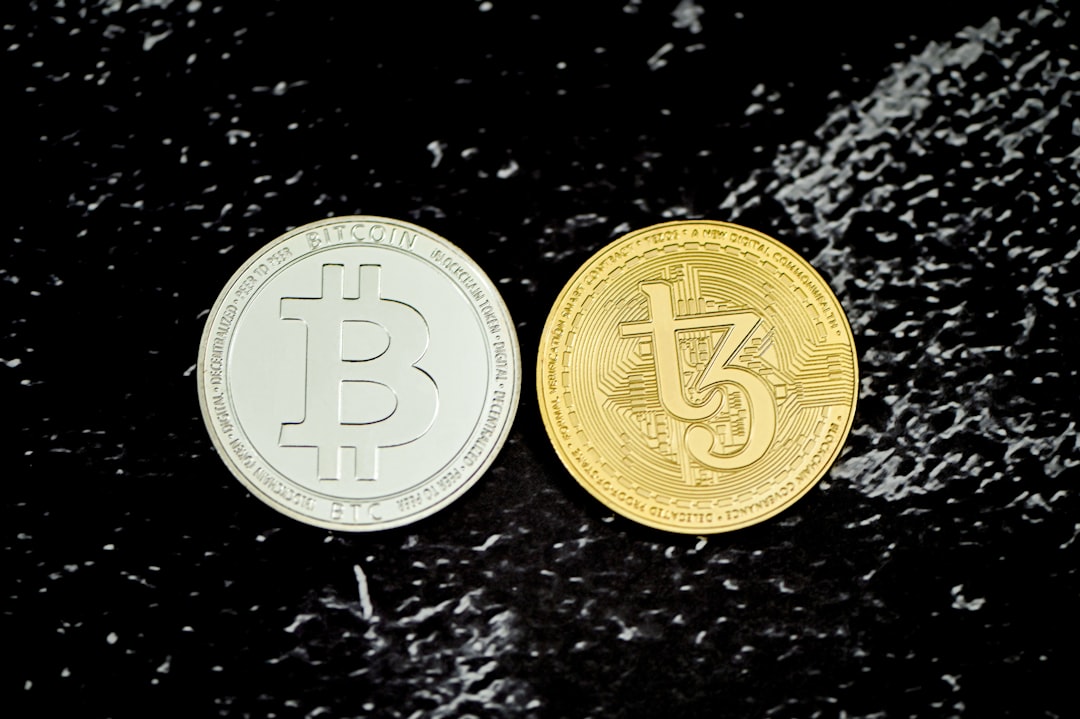
Bitcoin is a digital currency, powered by a decentralized, peer-to-peer network, which uses a distributed ledger to record and verify transaction of the currency, known as the blockchain. Bitcoin was the first of its kind, with each unit of the currency having its own unique identity, and it is controlled, tracked, and transferred through a digital network. Bitcoin is based on a decentralized ledger, meaning that no single person or group controls or issues the currency. Instead, transactions are recorded and verified by a network of computers all over the world, and each transaction is publicly visible on the blockchain.


Bitcoin provides a unique way for individuals to transfer payments and value in a secure, fast, and transparent manner. There are no chargebacks or third-party fees that come with using Bitcoin and all transactions are visible on the blockchain. Bitcoin transactions are fast and irreversible, meaning that once the transaction is broadcast on the network, it cannot be reversed. This makes Bitcoin an ideal choice for users looking for quick and reliable payments with no chargebacks.


Unlike regular currencies, Bitcoin is not backed or regulated by any government or central bank. This means that it is not subject to government control or manipulation, and the price of Bitcoin is solely determined by the law of supply and demand. As there is a limited number of Bitcoin in circulation, the price of Bitcoin can increase significantly over time depending on demand.


The potential of Bitcoin is vast, and while it is still in its early stages, the cryptocurrency is gaining acceptance as an alternative currency, both in the local and global markets. Bitcoin has the potential to revolutionize the way people make payments, transfer value, and interact with one another. With its decentralized, secure, and fast transactions, Bitcoin could offer a new world of possibility in the near future.


Transactions


when using Bitcoin are secure and cost-effective. Transactions using Bitcoin are much faster than those using other traditional payment systems. Transactions are made using the peer-to-peer network, which eliminates the need for a middleman and results in no transaction fees. Transactions are both secure and private as all exchanged information is encrypted and stored on a public ledger, the blockchain. Bitcoin transactions are irreversible and no personal information is required to be shared during the transaction, which offers an added layer of security. The potential of Bitcoin transactions is limitless and is a promising step forward in global payments.


Security


is an important factor to consider when exploring the potential of Bitcoin. Bitcoin is decentralized, meaning users control their own funds and no third party is required for transactions. As a result, users can have peace of mind knowing their funds are secure and safe. In addition, Bitcoin is stored on the blockchain, a public ledger that records every transaction ever made, ensuring that all Bitcoin transfers are secure and irreversible. To further ensure the safety of your funds, it is recommended to use a secure wallet when storing your Bitcoin and to always keep your private key safe.


What is Bitcoin and how does it work?


Bitcoin is the world’s first decentralized digital currency. Bitcoin, commonly referred to as either a cryptocurrency or a virtual currency, is an innovative form of money that runs on a distributed and secure public ledger known as the blockchain. Instead of being created by a government or central bank, Bitcoin is created by a network of computers that run a special type of computer code. All these computers, or ‘nodes’, compete with each other to solve complex math problems to create “Bitcoin blocks”. When a node solves a math problem, the Bitcoin created is shared among all the nodes that worked on it.


Bitcoin’s peer-to-peer network allows individuals to transfer Bitcoin to one another without the need for a trusted third party such as a financial institution. Because of this, Bitcoin transactions are fast, secure and cost-effective for both the sender and receiver.


Bitcoin also has the potential to provide users with more control and autonomy over their finances. With cryptographically secure transactions, no one can interfere with a person’s Bitcoin wallet or alter the amount of Bitcoin that someone owns. Additionally, because a person’s identity is not attached to a Bitcoin address, people can remain anonymous while making and receiving payments, providing another layer of privacy.


By providing a decentralized, trustless, and secure payment method, Bitcoin has the potential to revolutionize the way people make payments around the world. With its fast transaction times, low transaction costs, and enhanced privacy, the possibilities for Bitcoin are endless. As the cryptocurrency continues to grow, more individuals and businesses are looking to explore the potential of Bitcoin and take advantage of its many benefits.


من نحن

authorمرحبا بكم في الاتحاد العربي للتدريب
→

التصنيفات

نموذج الاتصال

الاسم

بريد إلكتروني *

رسالة *